
A mudroom has one job: catch everything before it reaches the rest of the house. Most of them fail for three boring reasons. The hooks are too weak, the bench is the wrong size, and wet things have nowhere to land.
I pulled together 58 real mudrooms, from tiny hall nooks to full locker walls, and sorted them by the problem each one solves.
Start with the rules, then borrow whatever fits your space and your skill level.
Five Rules for a Mudroom That Survives Real Life
- Screw hooks into studs, not bare drywall. One wet coat plus a full backpack outweighs most drywall anchors.
- Hang kid hooks at kid height. Around 40 to 48 inches for little ones and 60 to 66 for adults. If a child can't reach it, the pile moves to the floor.
- Give wet things a hard floor. Tile, slate, sealed concrete or a rubber tray beats carpet every time, and any rug should be washable.
- Paint the lower wall in satin or semi-gloss. Mud, scuffs and backpack corners all land at knee height, and a wipeable finish saves you a repaint.
- Count your daily shoes before you plan cubbies. One open slot per pair in rotation. Everything else goes in a closet or a bin by season.
Start With the Wall: Hooks, Pegs and Rails
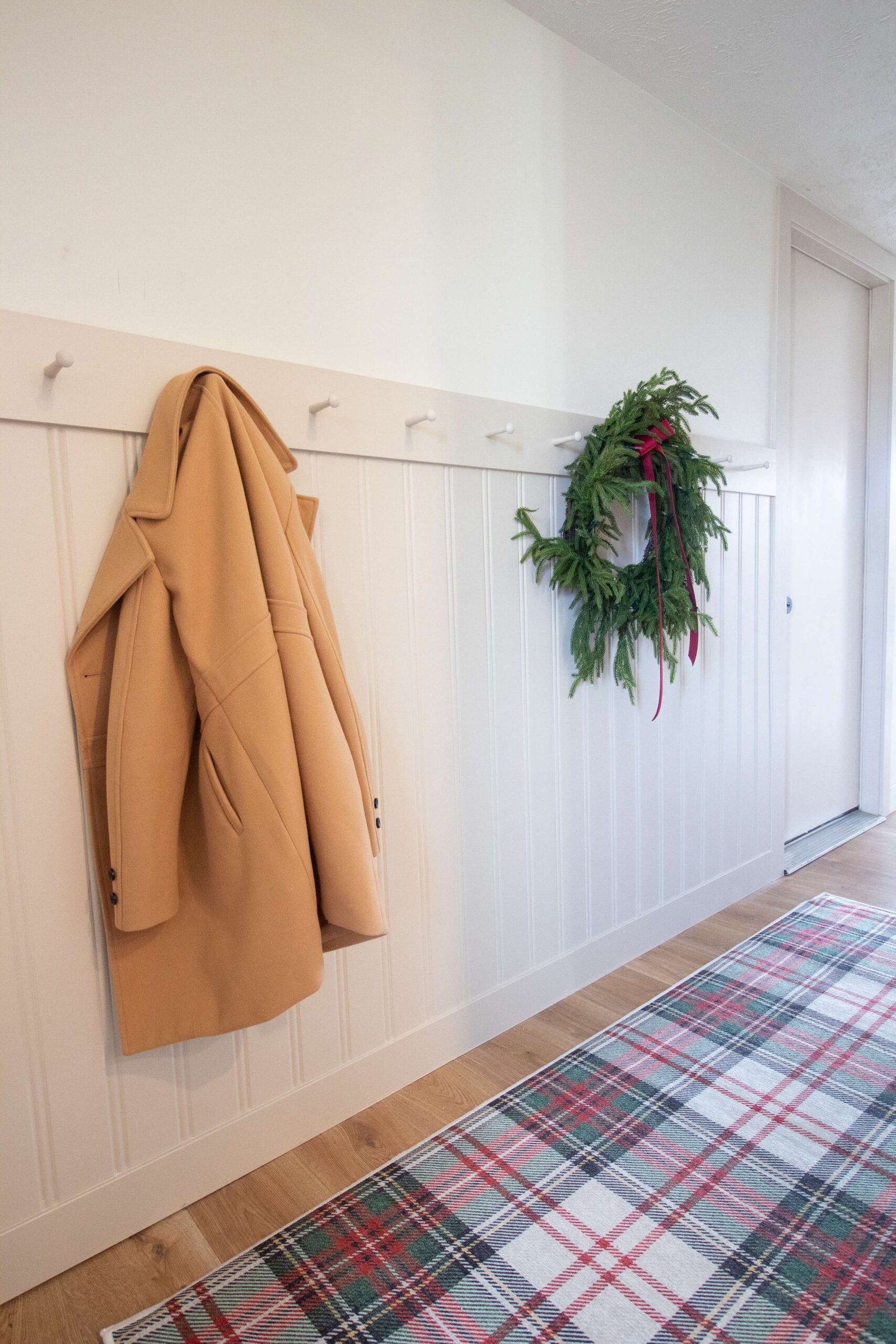
01A Peg Rail Does What a Closet Can't
A hallway with no room for a bench can still be a mudroom. Give it a peg rail.
White pegs run across the top of the beadboard here, with one camel coat and an evergreen wreath hanging side by side. The plaid runner below catches whatever drips.
Set the pegs around 60 inches high for adults, and screw the rail into studs so it doesn't pull away from the wall.

02Six Inches Between Hooks Is the Magic Number
Space hooks six to eight inches apart. Closer than that and coats start stacking on top of each other.
Five black hooks sit under a white bracket shelf here, and each one carries a single item: a green parka, a cream scarf, a rust backpack, a gray one. A bench with two baskets sits below.
Put the heaviest bag on the hook nearest the door. It's the one you grab last.


03Pegs Look Quiet but Hold a Lot
Don't write pegs off as decoration. Set into a solid rail, they hold a real coat.
This blue beadboard wall carries a green jacket and a hat on black pegs, with botanical prints above and a spindle-back bench below, baskets tucked underneath.
The trick is the rail behind them. Mount it into studs, or the whole row will tilt a little more every winter.


04Count the Metals Before You Buy Hooks
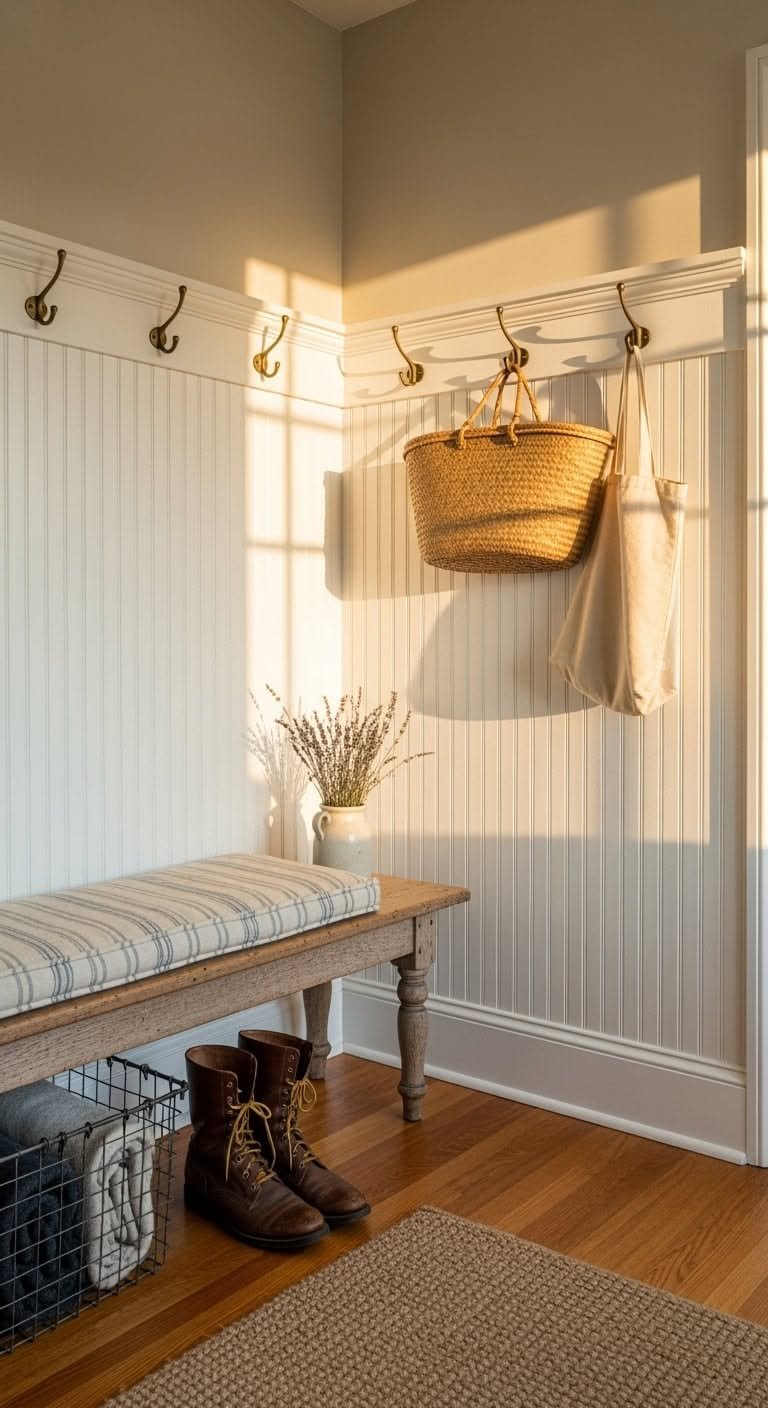
Brass hooks, brown leather boots, a rope-handled basket: this entry sticks to one warm metal family and it feels pulled together.
The striped cushion on the bench and the lavender in a cream vase keep it soft, and a wire basket under the seat holds rolled towels.
Wire lets air through, which matters for anything damp. A closed bin will turn towels sour.

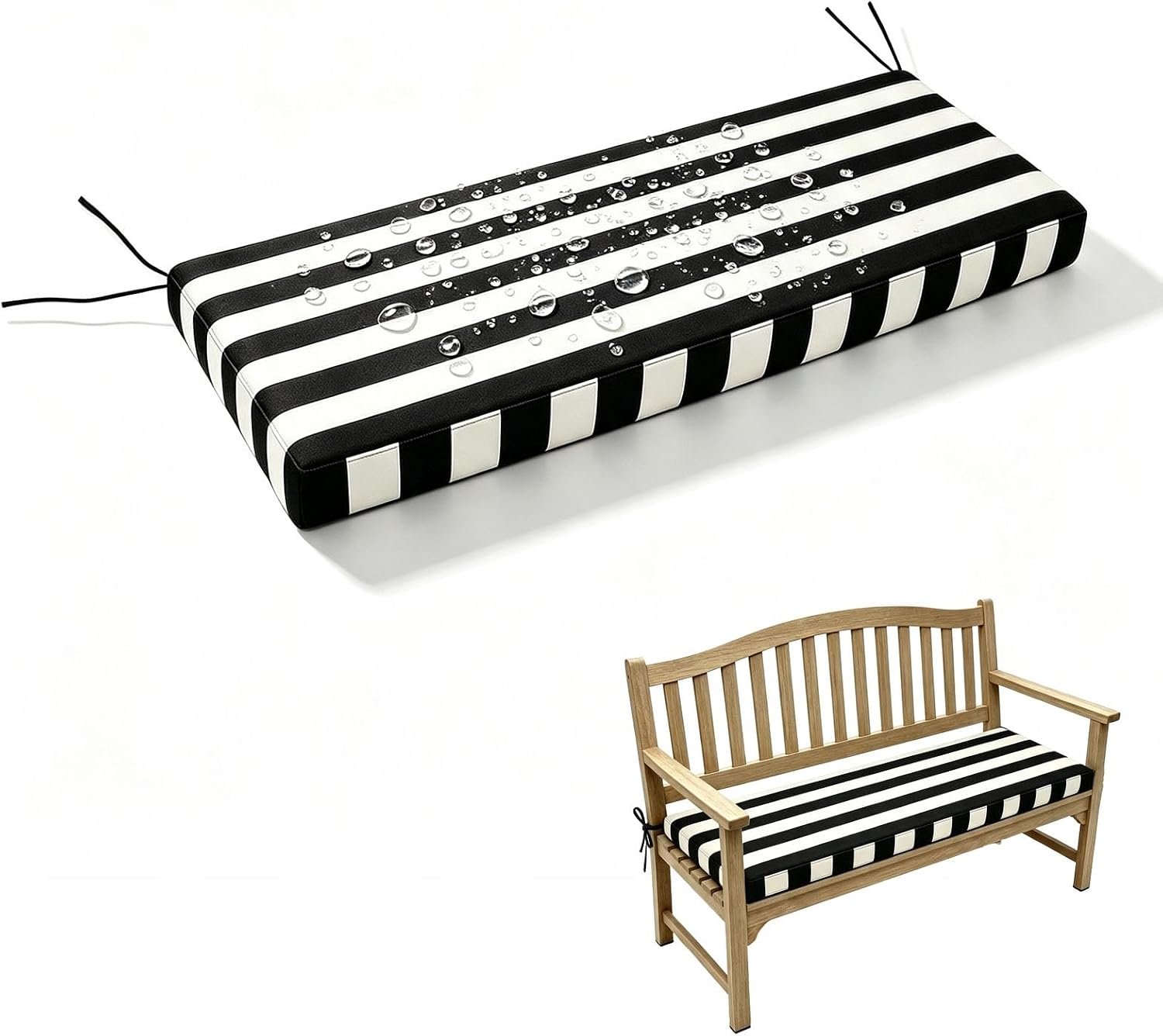
05One Long Rail Beats Many Little Ones
A single long rail looks calmer than hooks sprinkled around the wall.
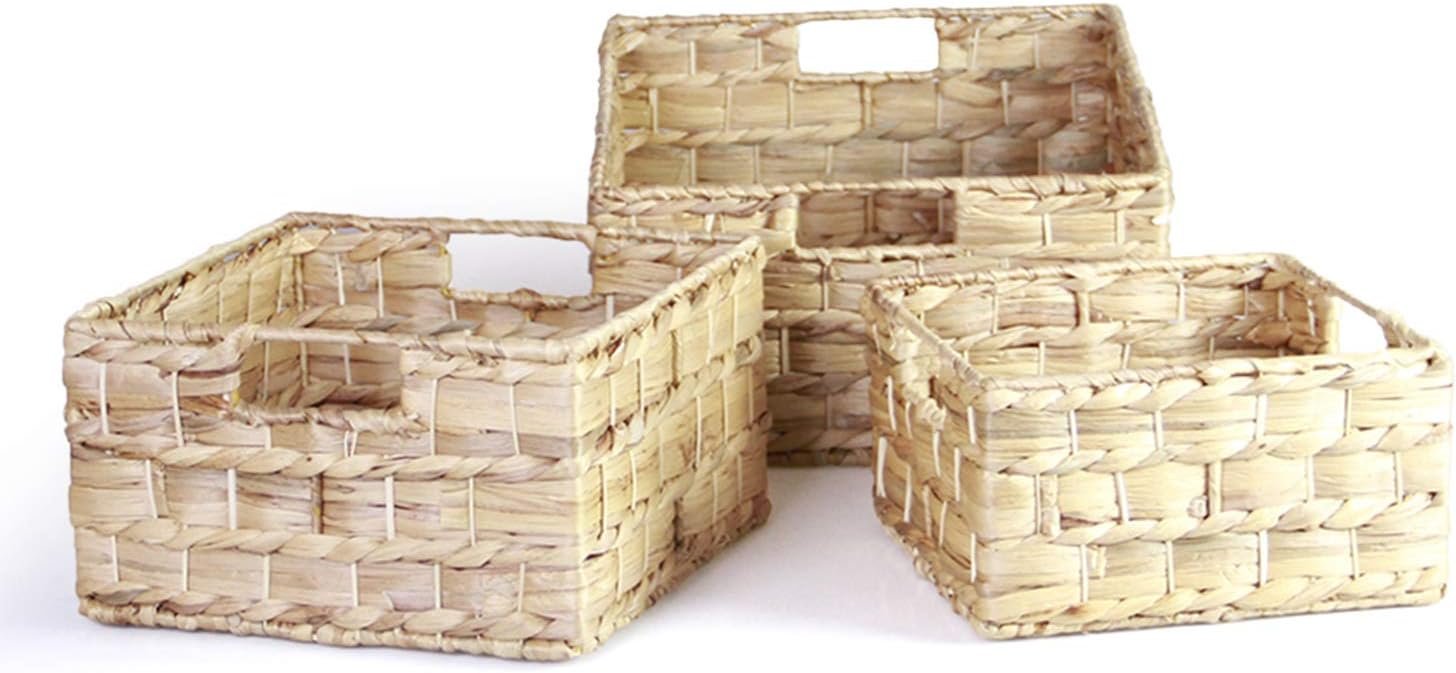
This one runs the length of the cream beadboard above a bench with five baskets, holding a navy cap, a canvas tote and two jackets.
Give every person a basket and the hook above it. Then nobody has to ask whose gloves those are.


06Match the Door to the Wall and the Room Grows
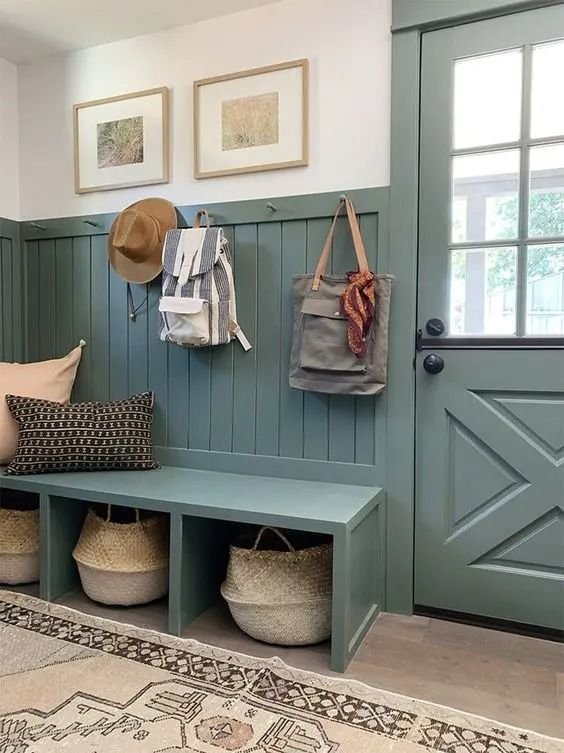
When the door matches the wall, the edges disappear and a small entry feels bigger.
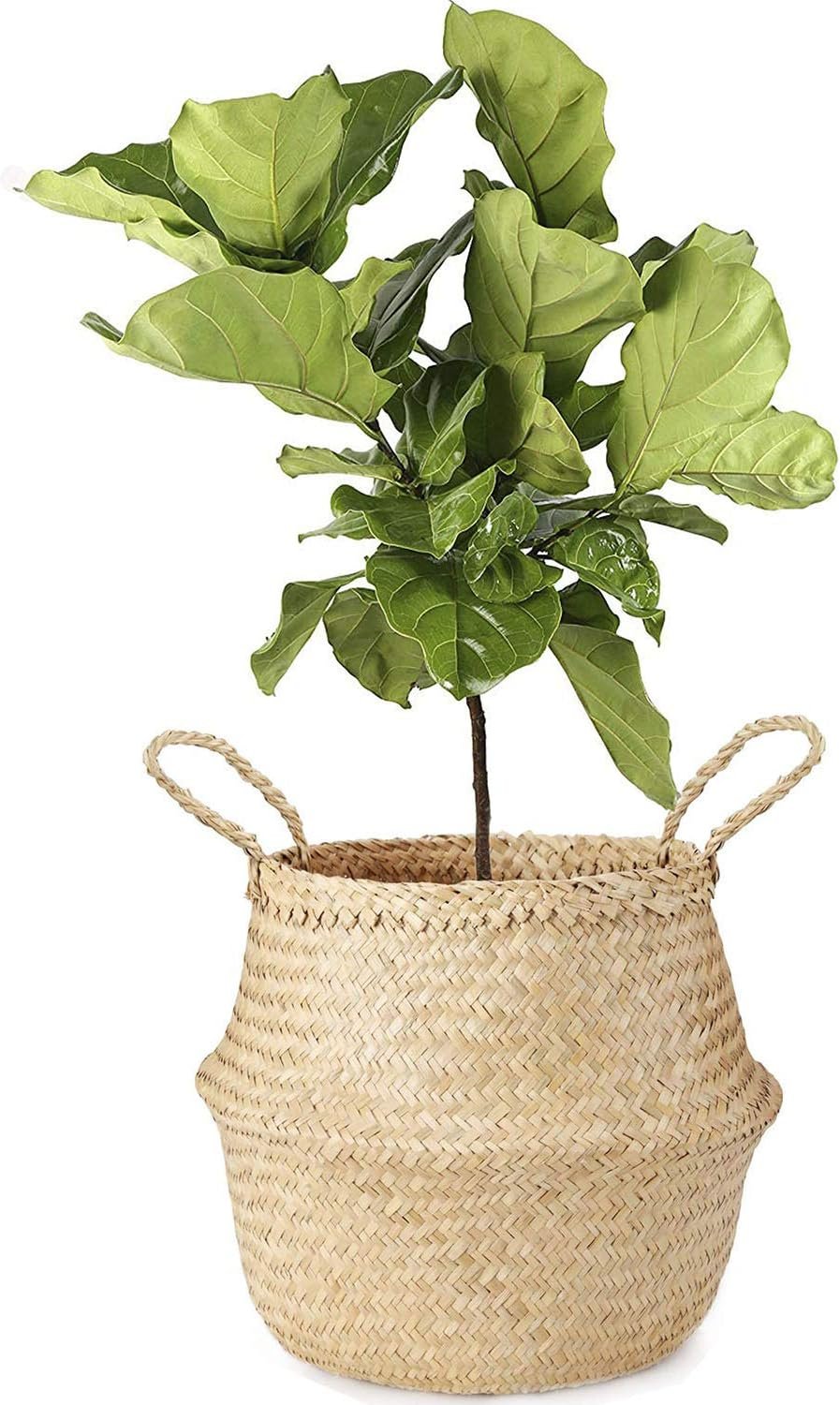
Here the lower wall and the dutch door share one deep green, so the hat, the striped backpack and the tote with its scarf become the only decoration. Two seagrass baskets sit under the bench.
Use satin or semi-gloss on the wainscot. It wipes clean where backpacks scuff.
07A Short Wall Bench Saves Floor Space
You don't need a full bench. A shallow shelf at seat height does the job.
A short wood-top bench sits under a row of hooks in this white wainscot room, with a checked tote hanging above it and boots lined up on the floor beside it.
A wall-hung bench will get sat on, so fasten it to studs, not just the drywall.

08A Mirror Pays for Itself by the Door
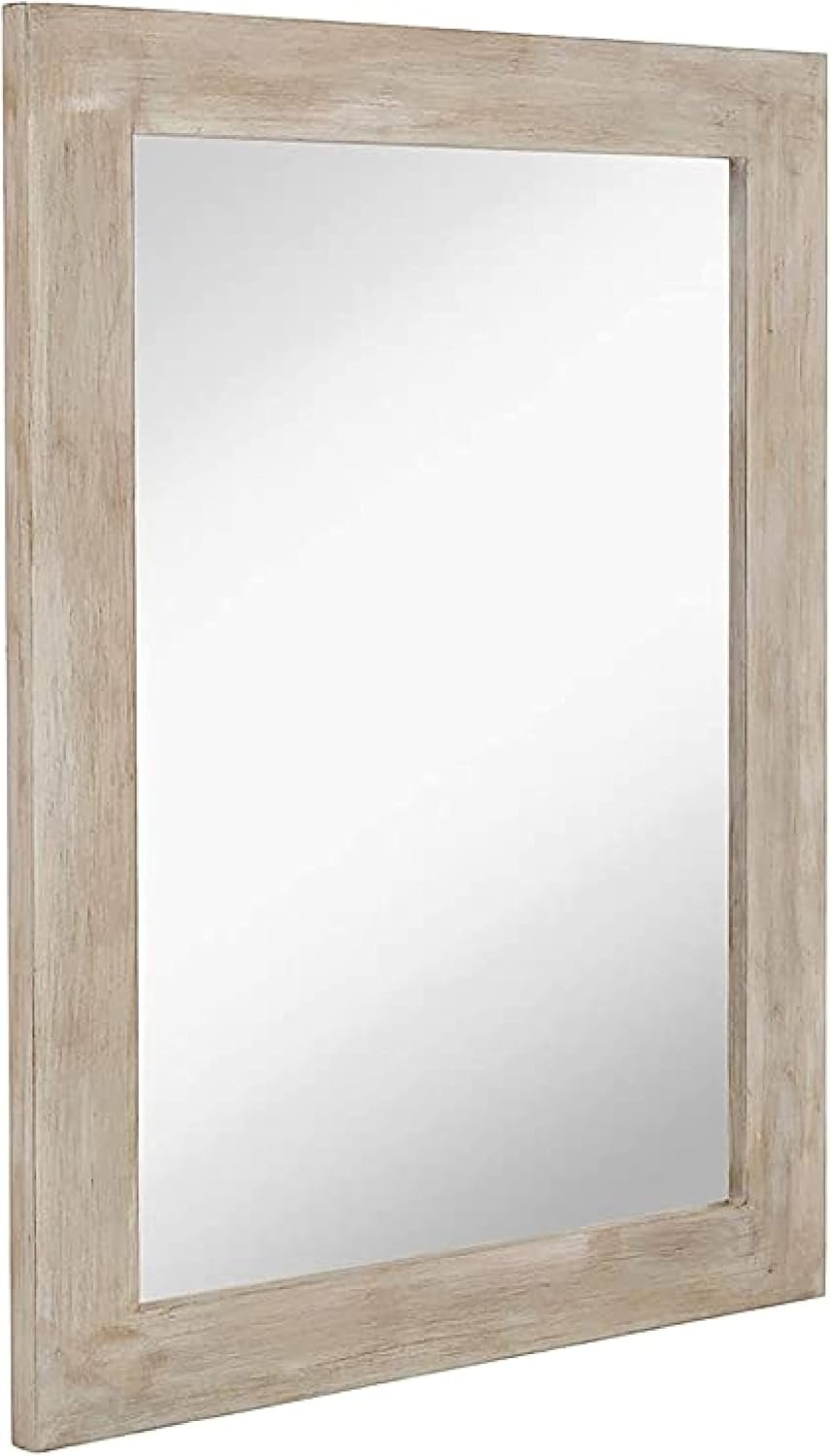
Ever walk out the door and only then notice your hair? A mirror over the hooks fixes that.
This wood-framed mirror sits on a shelf above a hook rail, with navy jackets and a black hat below and a cushioned bench with shoe cubbies under that.
Center the mirror around 60 inches from the floor so the shortest person who uses it can still see their face.

Benches With Storage Underneath
09One Cubby per Pair Beats a Pile
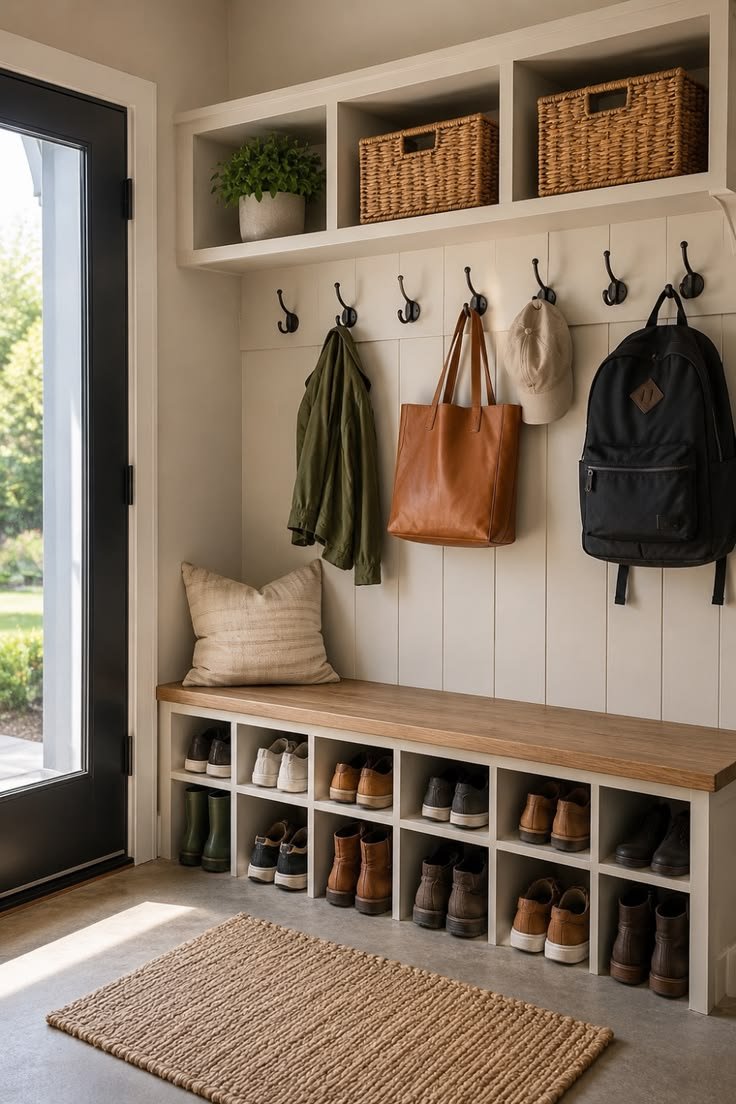
Count the pairs. Eight open slots hold eight pairs, and not a ninth.
This bench has a cubby for each pair, with a shelf above holding two woven baskets and a plant, and black hooks below carrying a green jacket, a tan leather tote, a hat and a backpack.
Measure your tallest boots before you cut anything. A slot sized for sneakers won't take a rain boot.
10Stained Wood Warms a Cold Entry
Gray tile can make an entry feel cold. A stained wood bench fixes that.
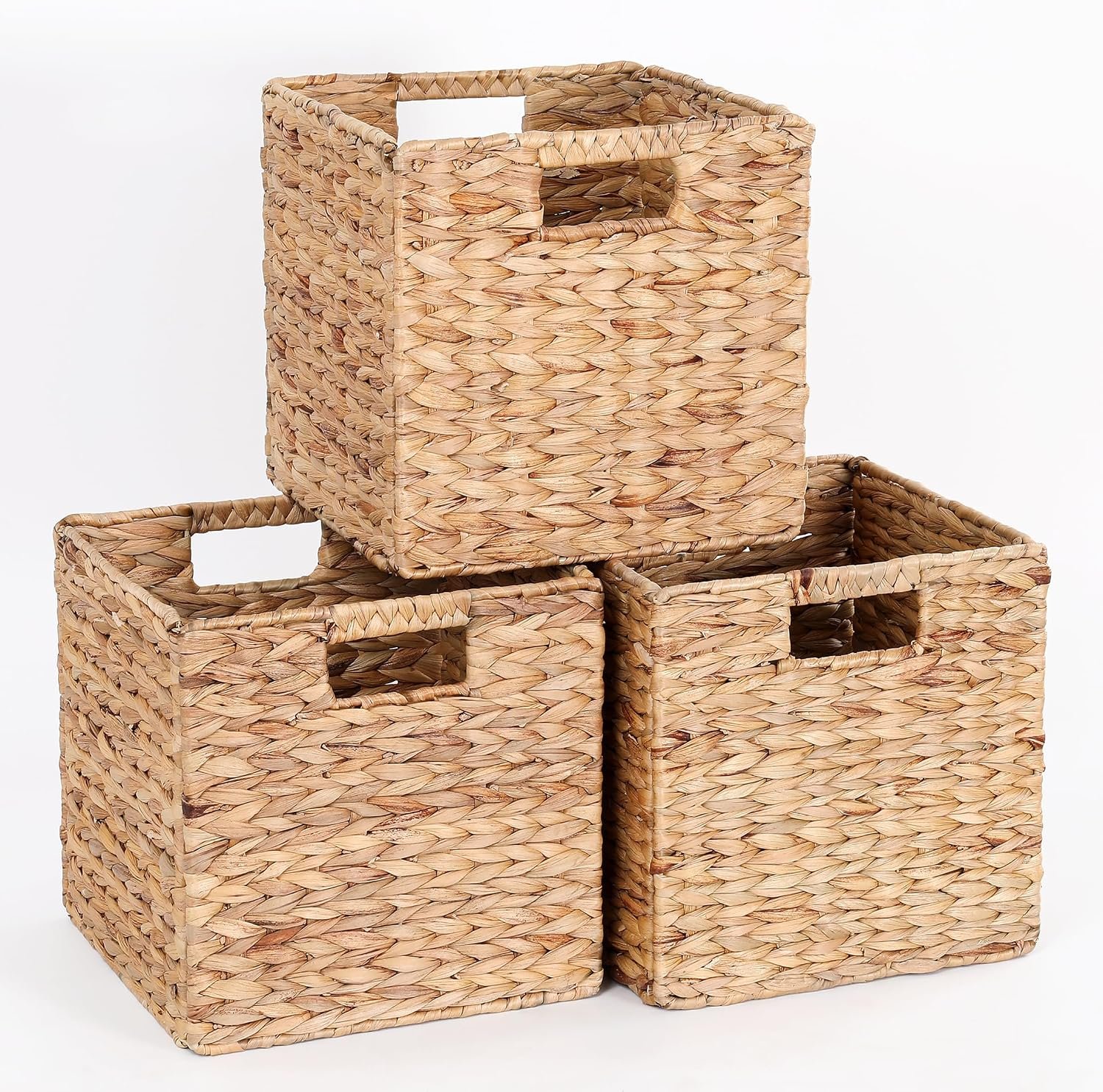
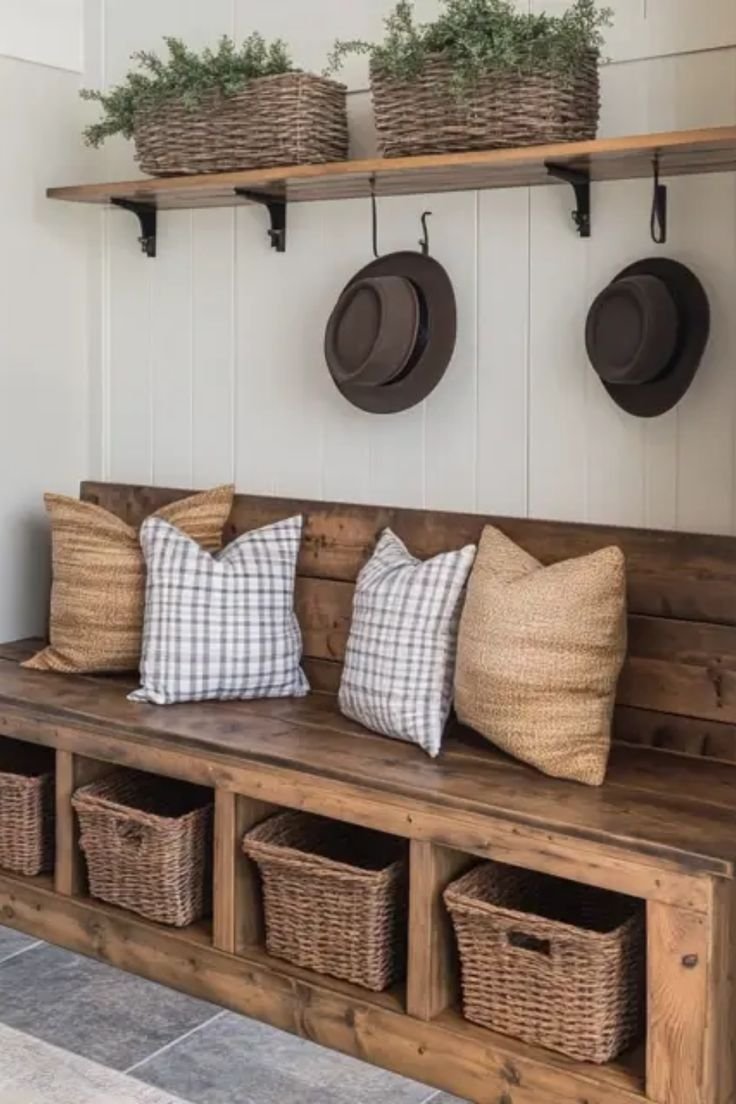
Four woven baskets fill the cubbies under this rustic bench, plaid and burlap pillows soften the seat, and two felt hats hang from hooks below a bracket shelf of greenery.
Seal the wood with water-based polyurethane. Wet boots and keys mark bare wood fast.

11Vertical Boards Lift a Low Ceiling
Vertical lines pull the eye up, which helps when the ceiling is low.
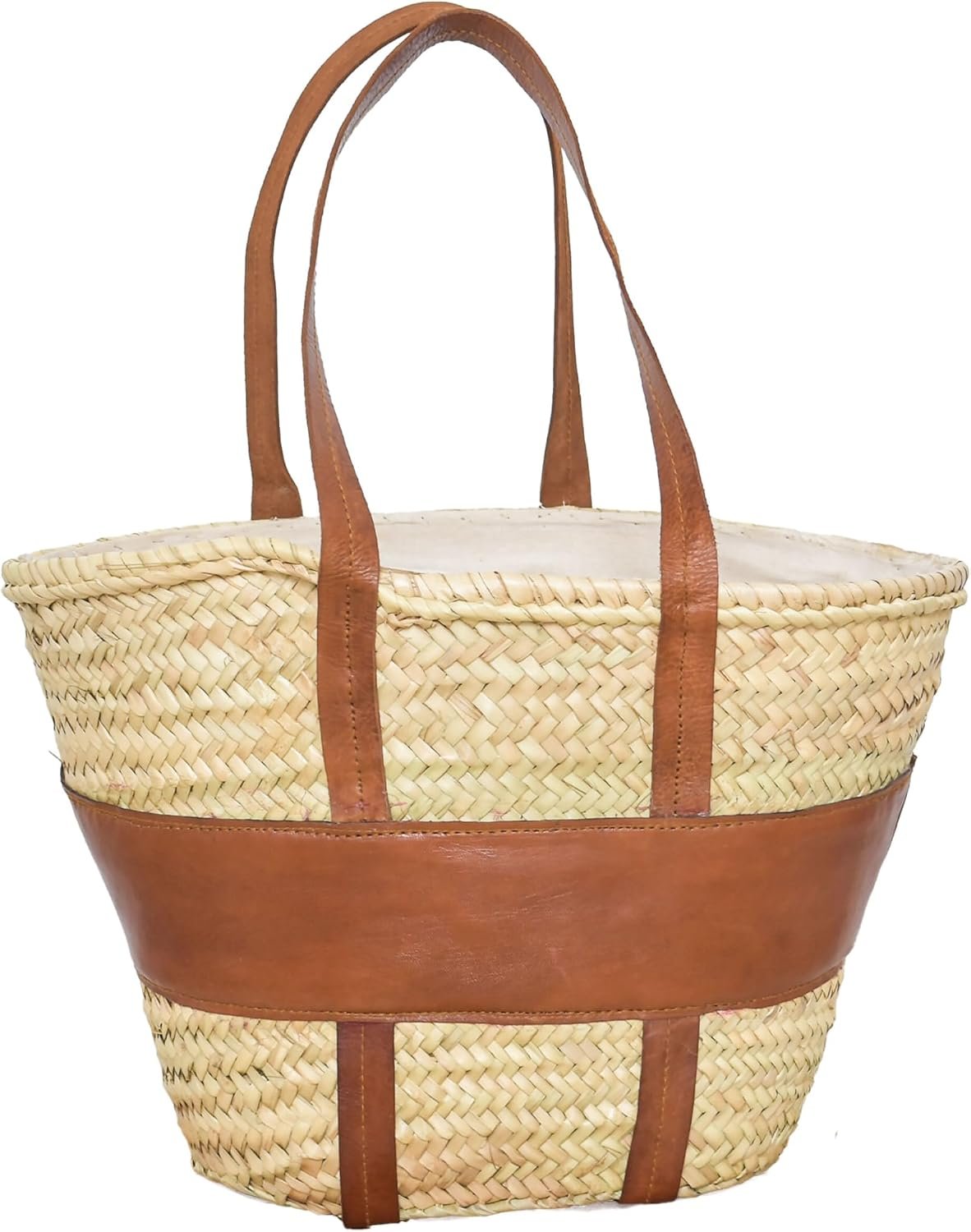
Tall planks run behind the black hooks here, and a big straw tote with leather straps hangs among them. Four woven baskets sit under the bench, and a vintage runner covers the dark floor.
Hang one bag on its own hook and leave it there. Everyone knows where the grab-and-go bag lives.


12Even a Four-Foot Nook Can Work
Four hooks and one bench seat are enough for a family of four.
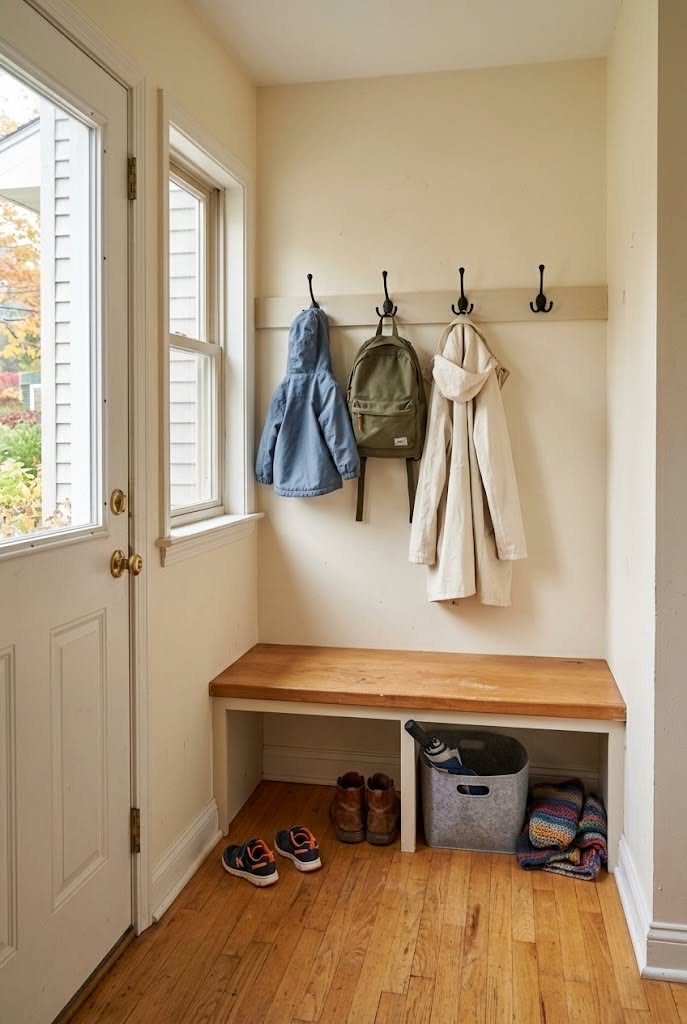
A blue jacket, an olive backpack and a tan coat each have a hook on this rail, and the space under the bench stays open for shoes and a felt bin of odds and ends.
Leave that under-bench space open if you need room for wet boots to dry between wears.
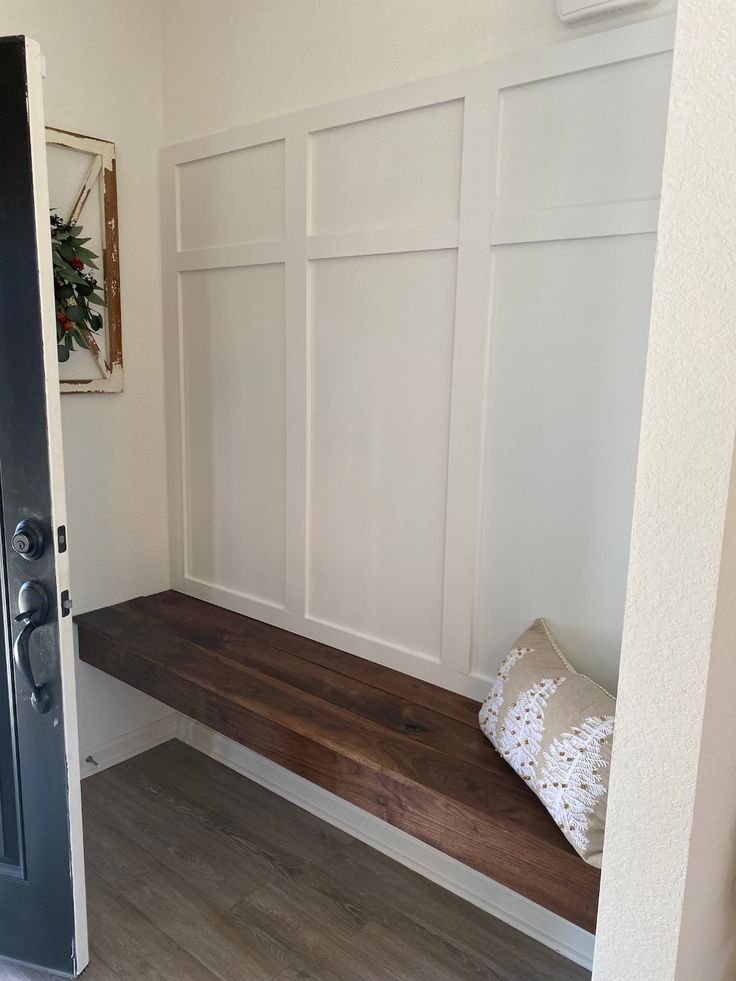
13A Floating Bench Keeps the Floor Wipeable
No legs means no cleaning around legs.
This walnut bench floats under a white board-and-batten wall, with one patterned pillow on the end and an old window frame holding a small wreath above.
A floating seat needs a cleat screwed into the studs and a solid support under the front edge. Skip that and it sags.

14Put a Shelf Over the Hooks
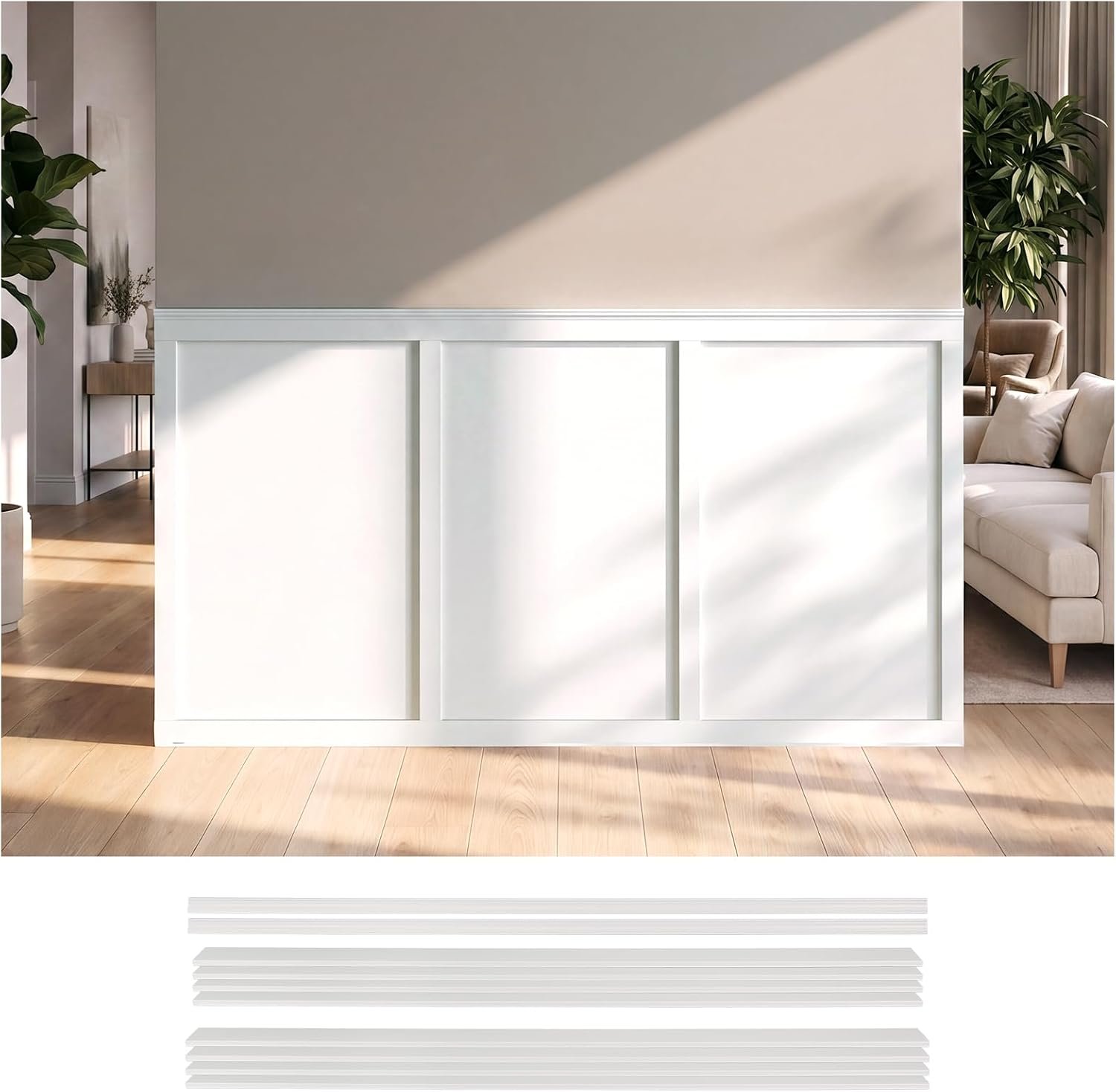
A shelf over the hooks catches everything that doesn't belong on a hook.
In this corner, woven baskets sit on a bracket shelf above a hook rail, a round straw bag hangs below, and a small plant stands on the window sill next to a wood bench.
Daily items go in the lower baskets. Seasonal gear lives on top.

15A Thick Shelf Looks Like Real Carpentry
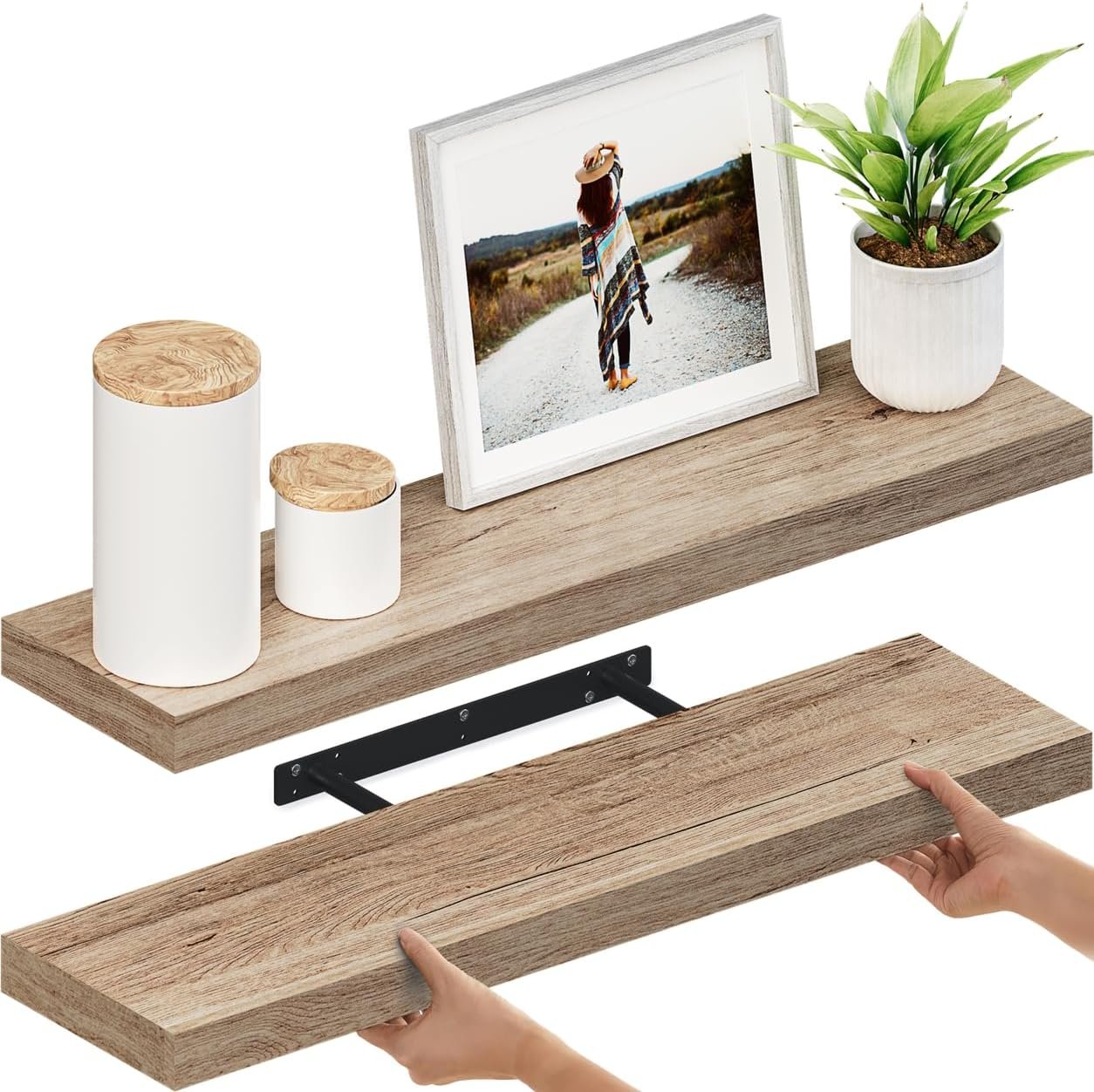
Why do designer mudrooms look more solid than yours? Often it's the shelf.
A chunky wood shelf runs over eight black hooks on this blue vertical-board wall, carrying a framed print, baskets and a plant, while cushions and a woven tote sit on the bench below.
Use a board at least 1.5 inches thick, like a 2x10. It looks substantial and carries more weight.

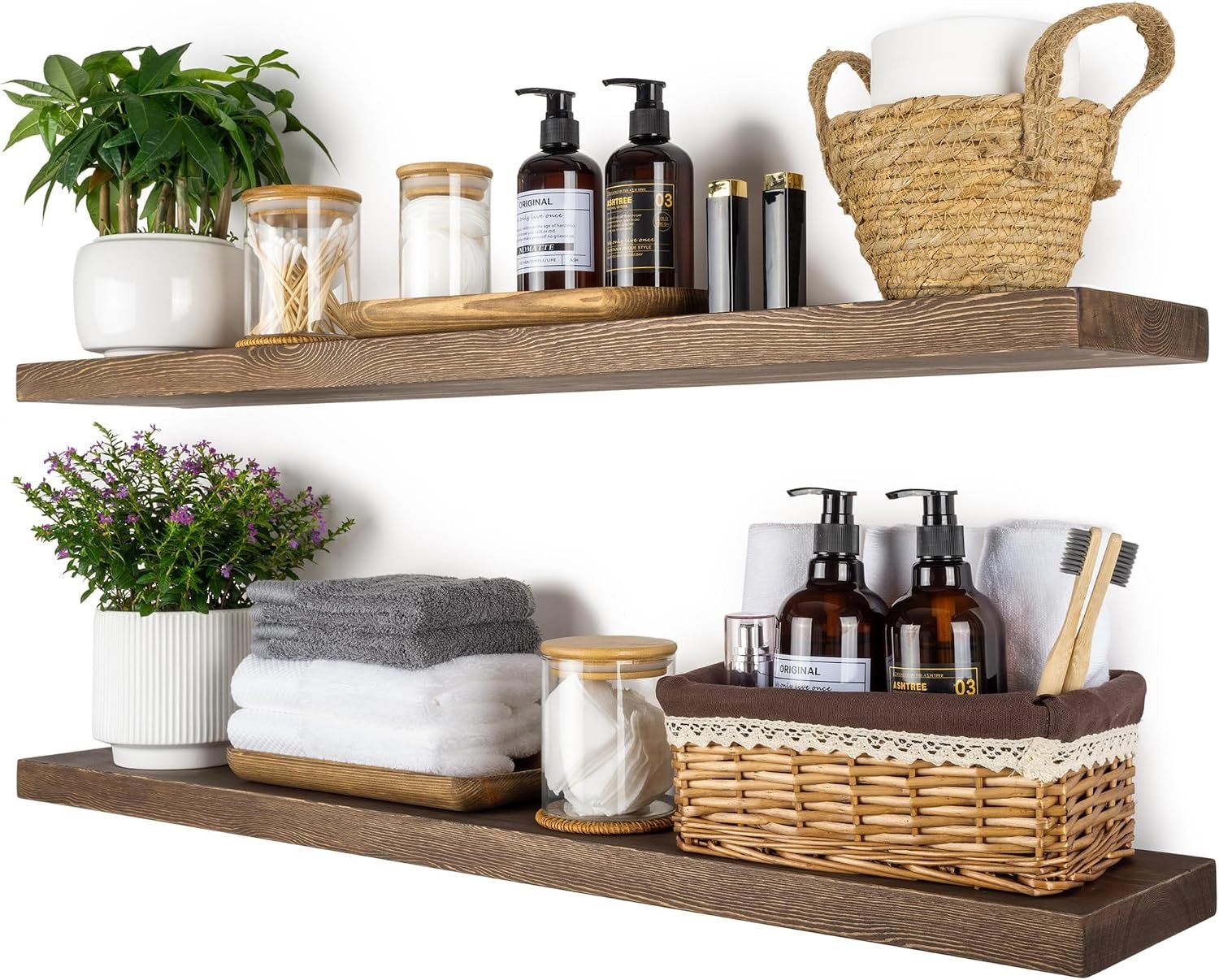

16Heavy Baskets Low, Light Ones High
Gravity should organize your baskets. Put the heavy stuff low.
Two baskets sit on a wood shelf above navy jackets here, and three bigger ones fill the bench below, over a floral rug.
Hats and gloves go up high. Boots and bulky gear stay under the bench where they won't fall on someone.

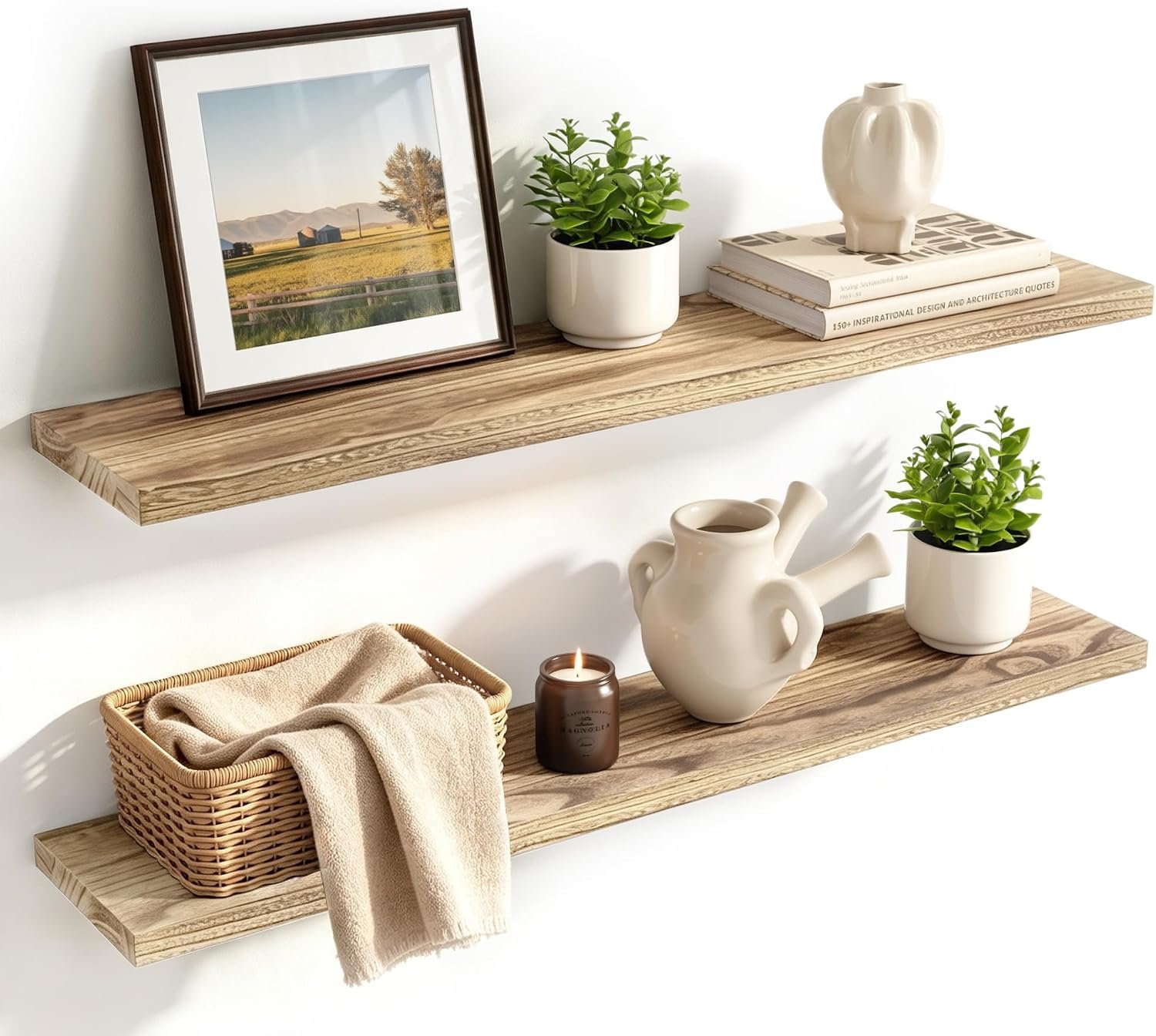
17Narrow Halls Need Storage on One Side
In a narrow hall, put all the storage on one wall and leave the other clear.
Everything here lives on the right side: a long hook rail with a blue puffer jacket, a cushioned bench with open cubbies and baskets below, and a patterned runner leading to the door.
Keep at least 36 inches clear for walking. A mudroom you can't squeeze through isn't working.

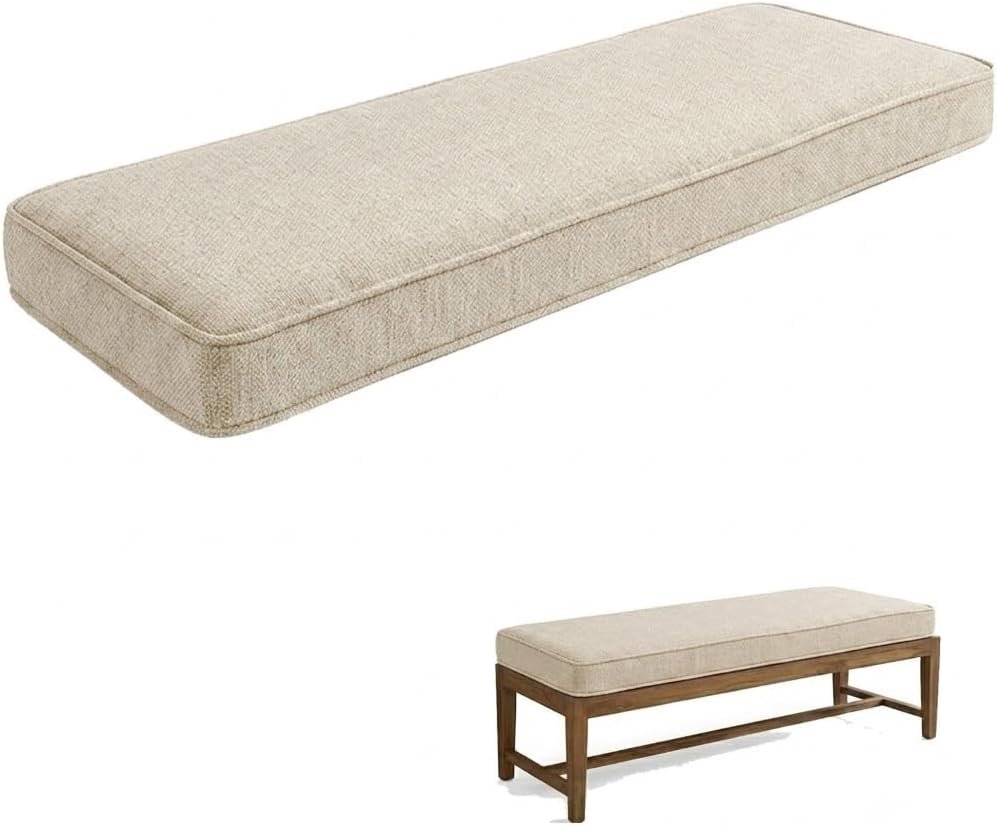

18Dark Wood Up High Anchors a Light Room
Count the colors in this one: white, dark wood, brown leather and plaid. Four, and they all work together.
A dark wood shelf holds two big baskets above antler-style hooks, a green plaid jacket and a leather bag hang below, and plaid and leather pillows sit on a white bench with baskets underneath.
Stick to one wood tone and one accent pattern so the clutter doesn't fight the room.
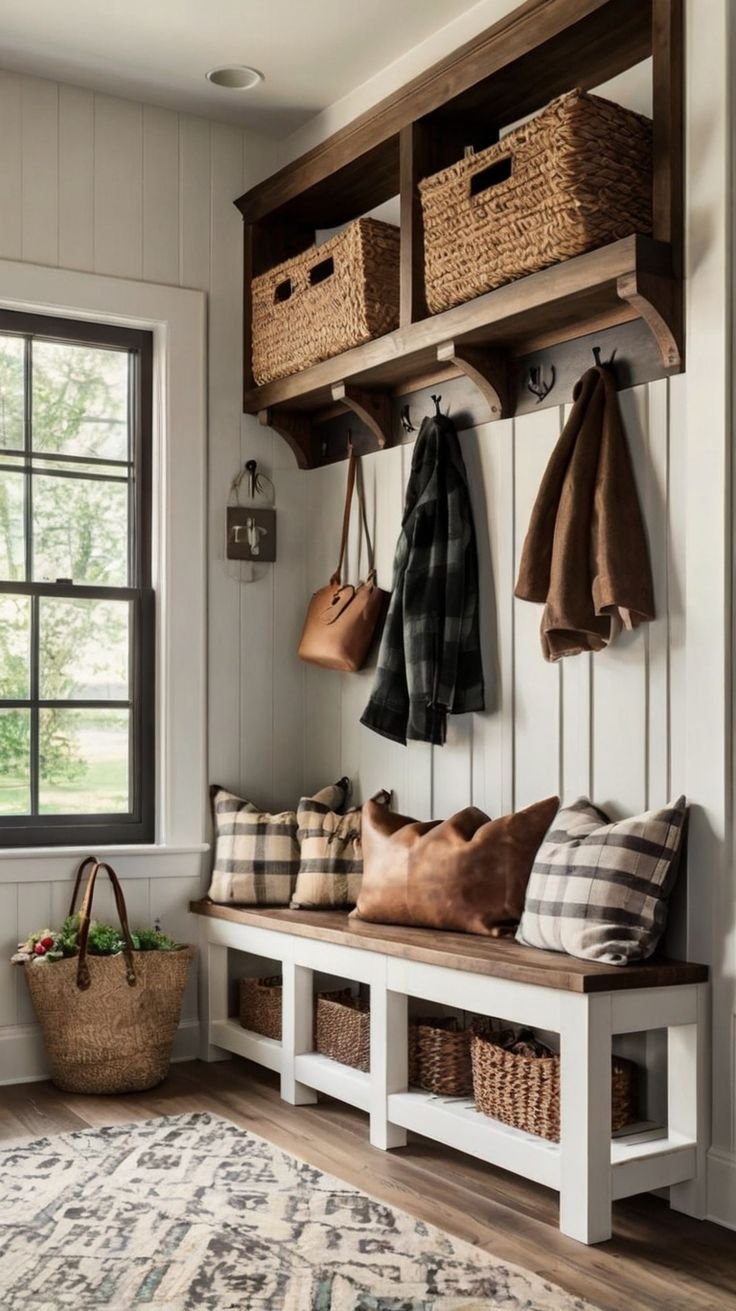
Built-In Lockers and Cubbies
19Design the Cubby for the Shoes You Own
Build cubbies for the shoes your household actually wears.
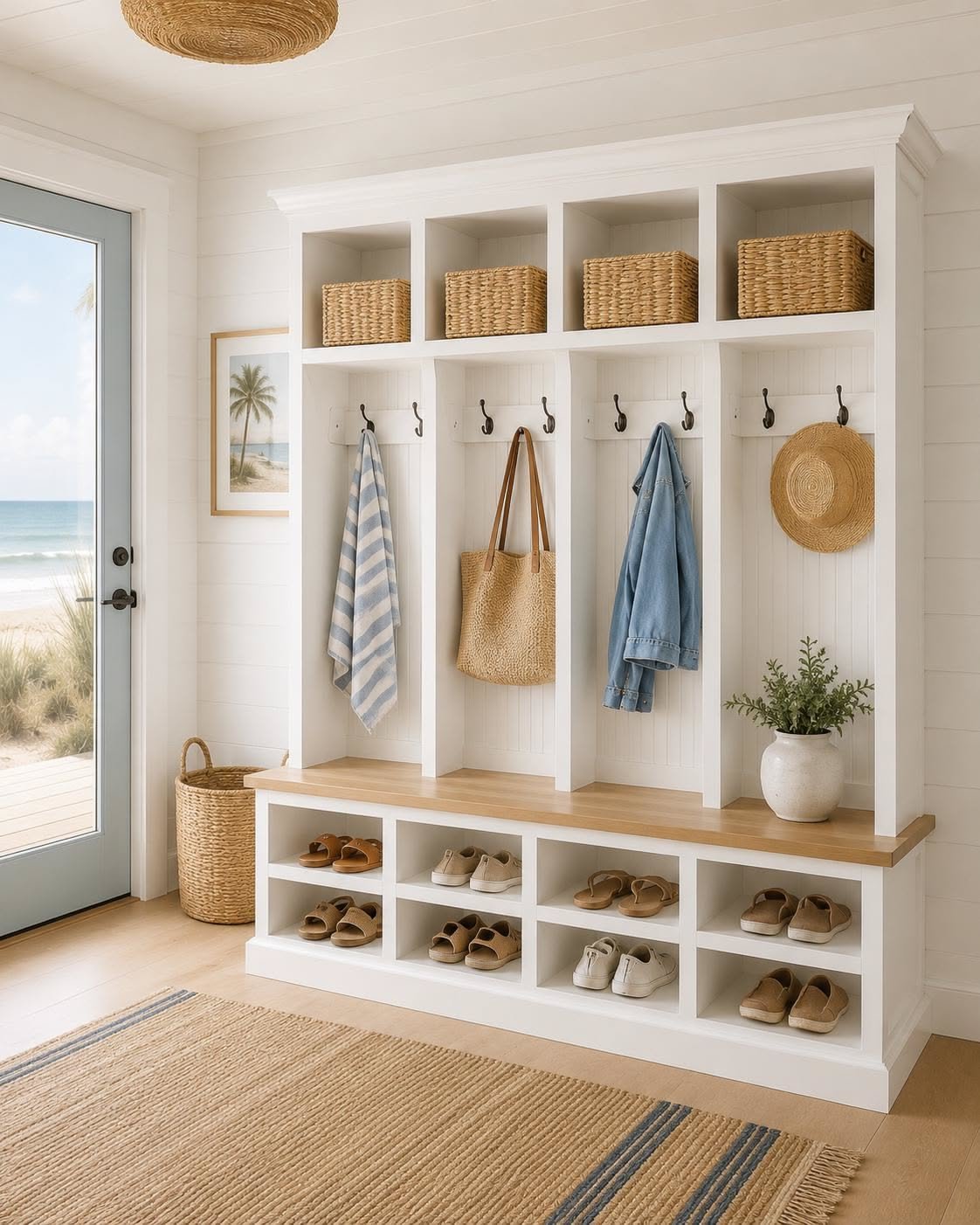
This coastal locker is sized for sandals, with four woven baskets up top, hooks holding a striped towel, a straw tote, a denim jacket and a straw hat, and a door that opens to the beach.
Leave one hook free for a damp towel so it dries flat instead of in a heap.


20A Tall Cabinet Hides What You Don't Want to See
Not everything needs a hook. Some things just need a door.
A tall white cabinet with black pulls stands beside a cushioned cube bench here, with baskets in the cubes and a row of black hooks over vertical boards.
Strap any tall cabinet to a wall stud. A climbing kid can tip an unanchored one.

21Open Cubbies Above Hooks Cut the Clutter
Hooks handle the daily stuff. The cubbies above handle everything else.
This gray-blue wall has wood cubbies stocked with baskets and boxes over navy jackets, a navy cushioned bench with five baskets under it, and a big basket by the door.
Use baskets with handles up high so you can pull them down without a stool.

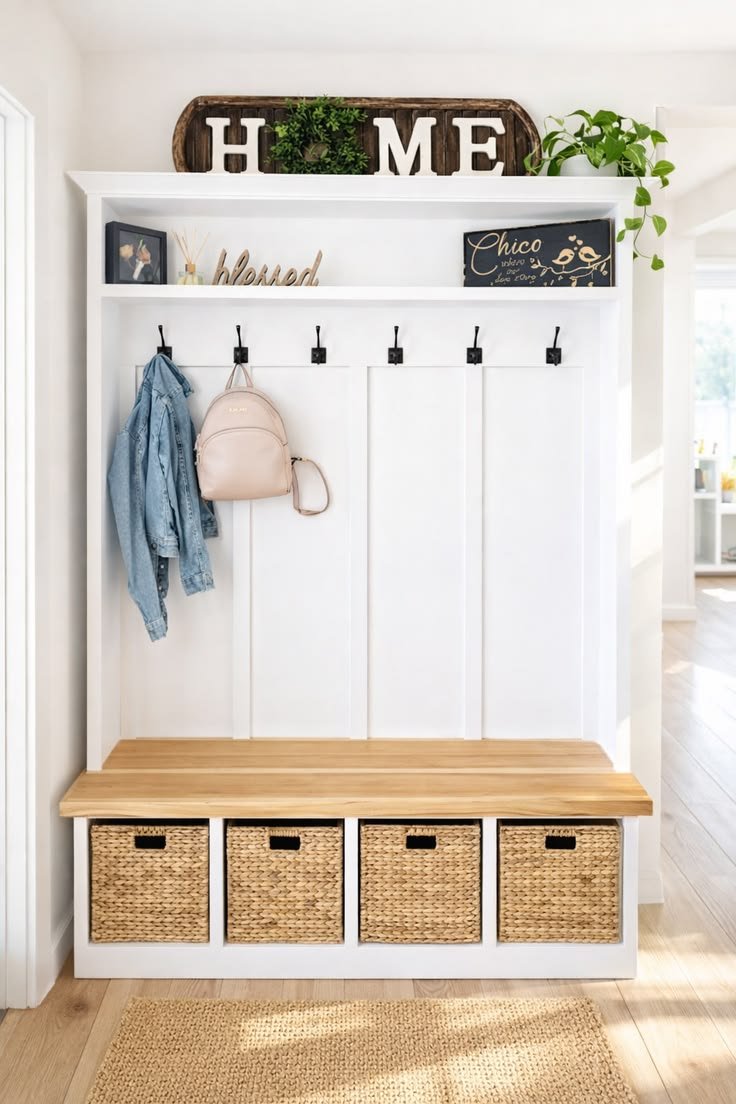
22Decor Goes on Top, Gear Goes on Hooks
Where does decorative lettering belong in a working room? On top, out of the way.
The HOME letters sit on the top shelf of this white locker, with plants and a framed photo, while a denim jacket and a blush backpack use the hooks and four baskets sit under the butcher-block bench.
Dust the top shelf weekly. Mudroom dust gets in everywhere.
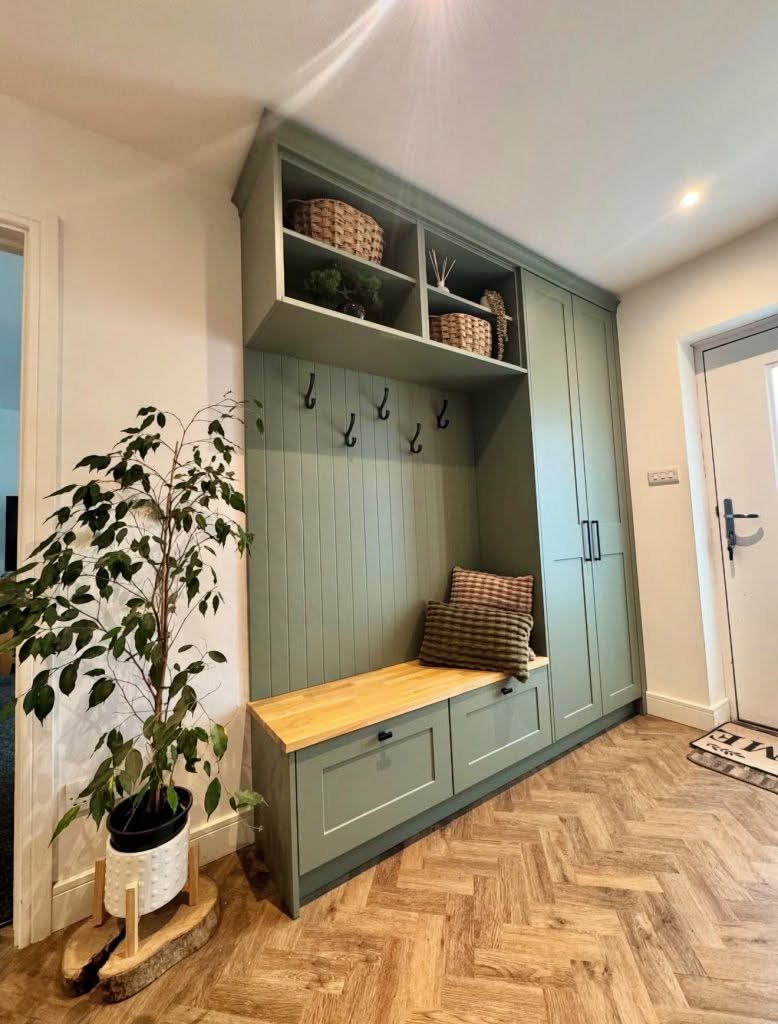
23Drawers Hide the Mess Faster Than Cubbies
A drawer closes. A cubby doesn't.
Two wide drawers sit under the wood seat of this sage green built-in, with open shelves and baskets above and tall cabinet doors alongside, all over herringbone flooring.
Use full-extension slides if you plan to store boots in a drawer. Cheap slides won't hold the weight.
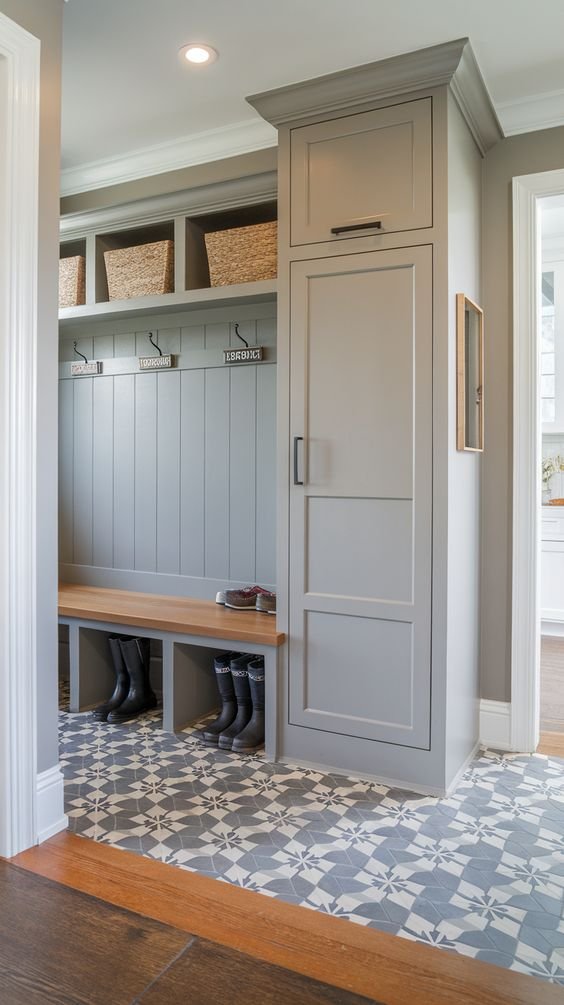
24Labeled Hooks Stop the Pile
A label costs less than the hunt for a missing glove.
Small tags hang beside each hook on this gray built-in, with woven baskets on the shelf above, rain boots under the bench, a tall cabinet to one side and patterned tile underfoot.
Label the hook and the basket both. People find their own stuff faster.

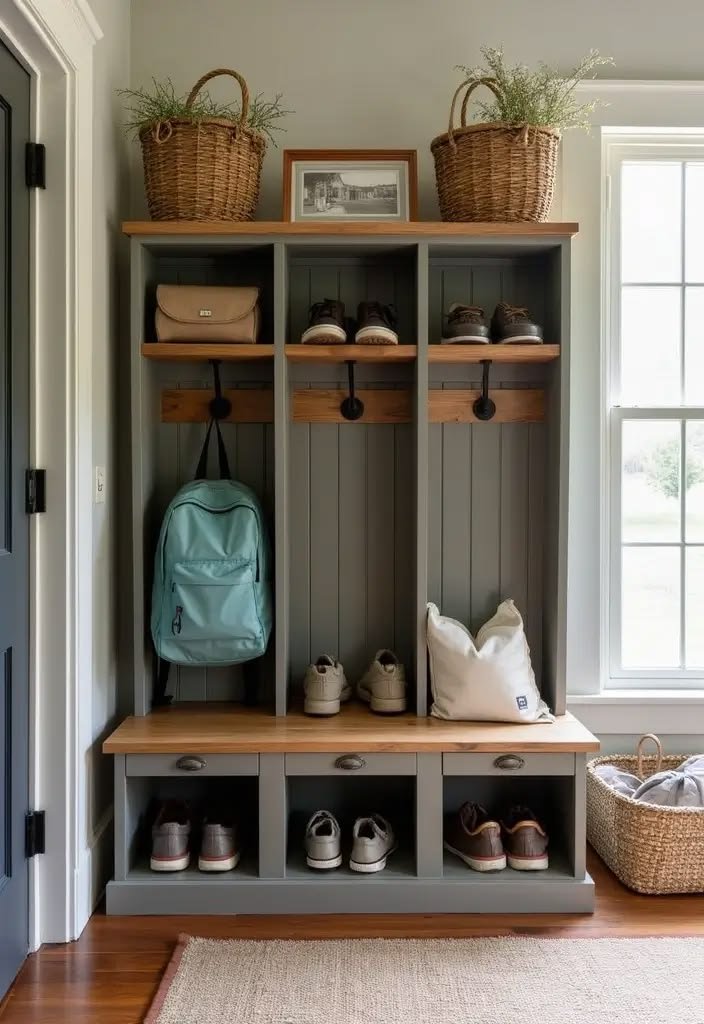
25Shoe Shelves at Shoe Height
Boots belong off the floor. Give them a shelf.
Shelves line the back wall of this gray built-in, holding pairs of shoes, a teal backpack on a hook and baskets across the top, with drawers under the bench.
Keep the shelves 8 to 10 inches deep. Deeper wastes space, and shallower won't take a boot.

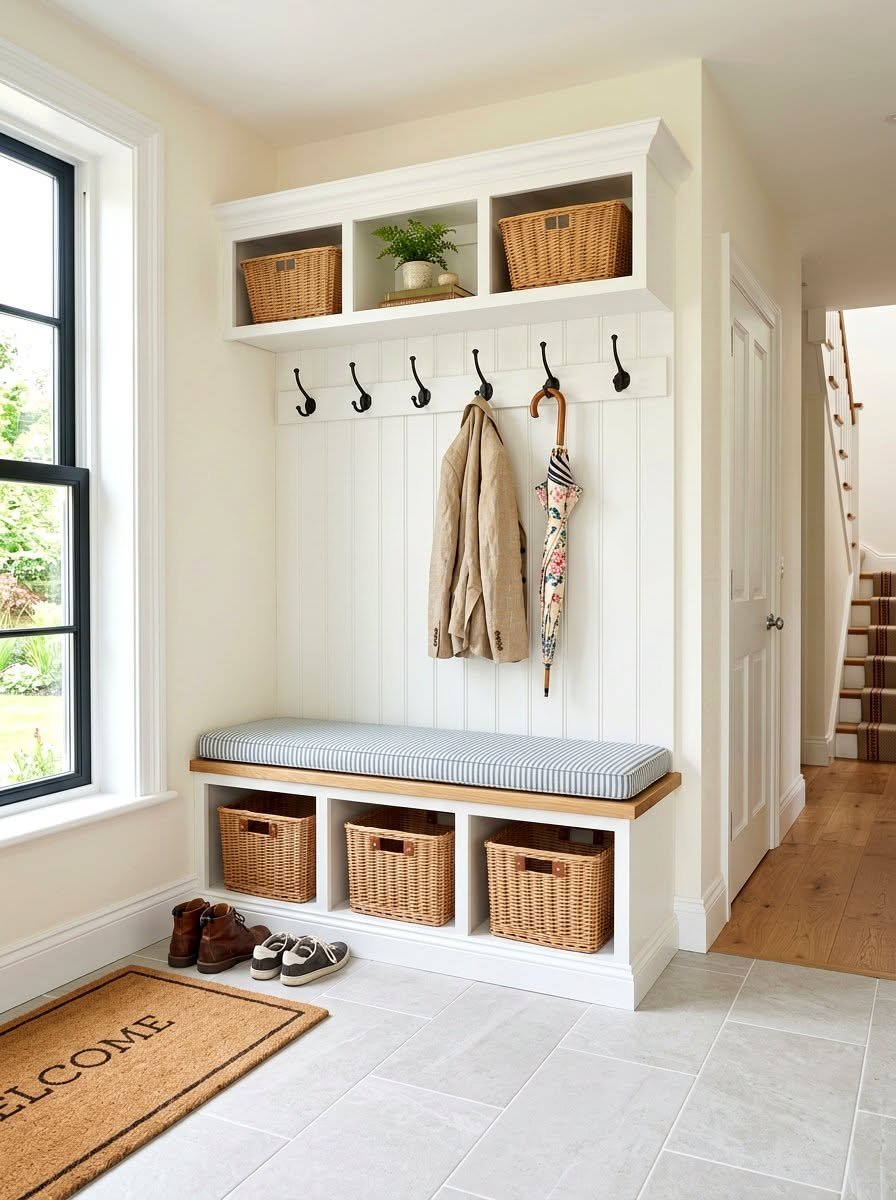
26Pair a Cushioned Bench With the Welcome Mat
Cushions make a bench worth sitting on, but only if you can wash them.
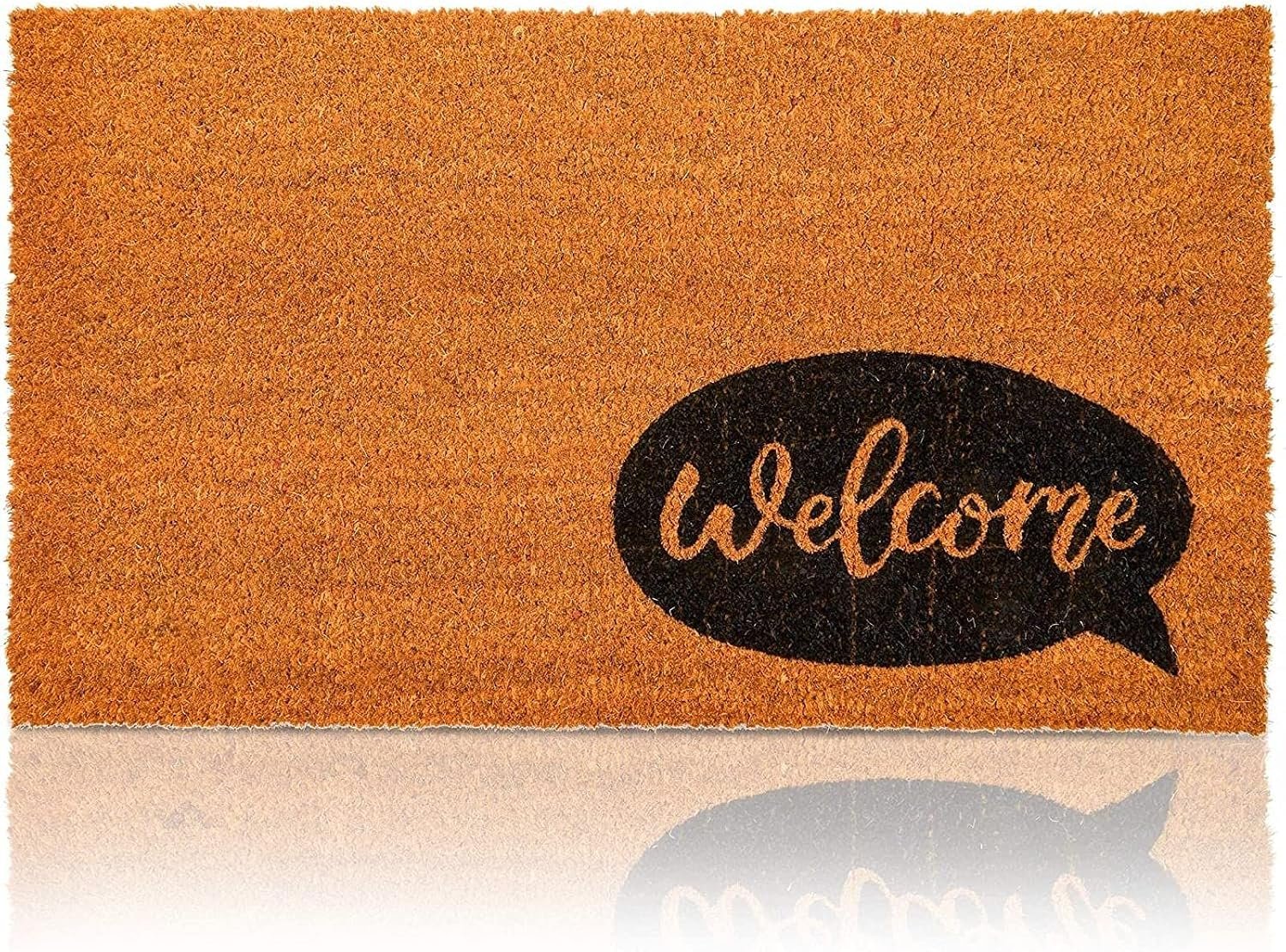
A striped cushion tops this white bench with three baskets, under a cubby shelf with a plant and two more baskets, a tan blazer and a floral umbrella hang from the hooks, and a WELCOME mat covers the tile.
Choose indoor-outdoor fabric for the cushion cover. It handles damp coats and wet dogs.


27Dark Bench, Light Wall: Contrast on Purpose
Dark wood hides scuffs. Put it where the scuffs happen.
The dark bench top in this white beadboard nook carries a plaid shirt and two totes hanging above it, with three baskets on a cubby shelf over the hat and boots below.
A satin polyurethane finish keeps the dark wood from looking dusty.

28Plan a Spot for the Umbrella
Nobody plans for the umbrella until it's raining.
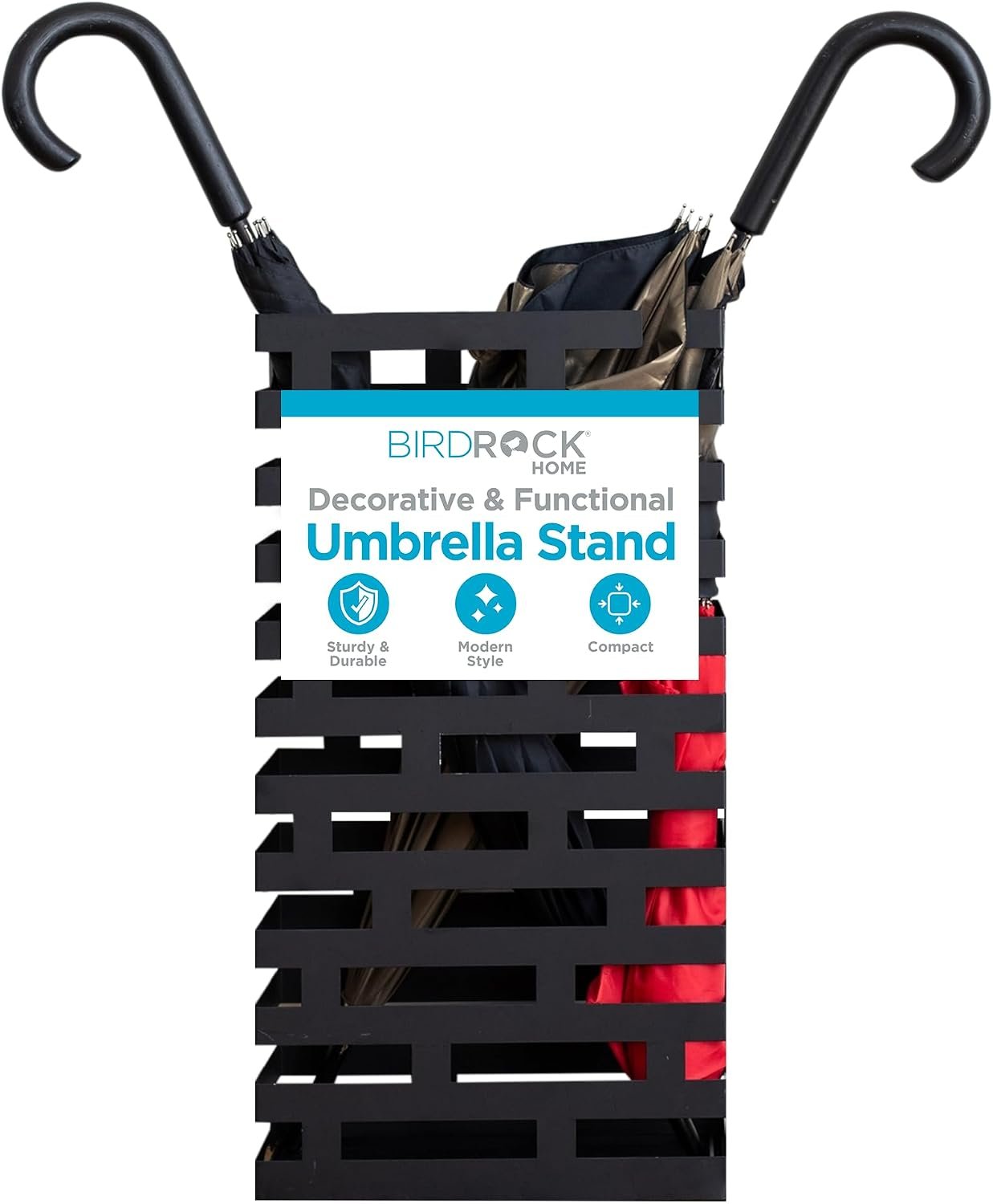
In this greige built-in the umbrella stands in a tall pot beside a chest of drawers, near a cushioned bench with shoe cubbies and coats on hooks above.
Use a stand with a drip tray. A plain pot leaves a ring on the floor.

29Tall Cabinets Hold the Off-Season Gear
Swap what's in reach each season and your mudroom stays calm.
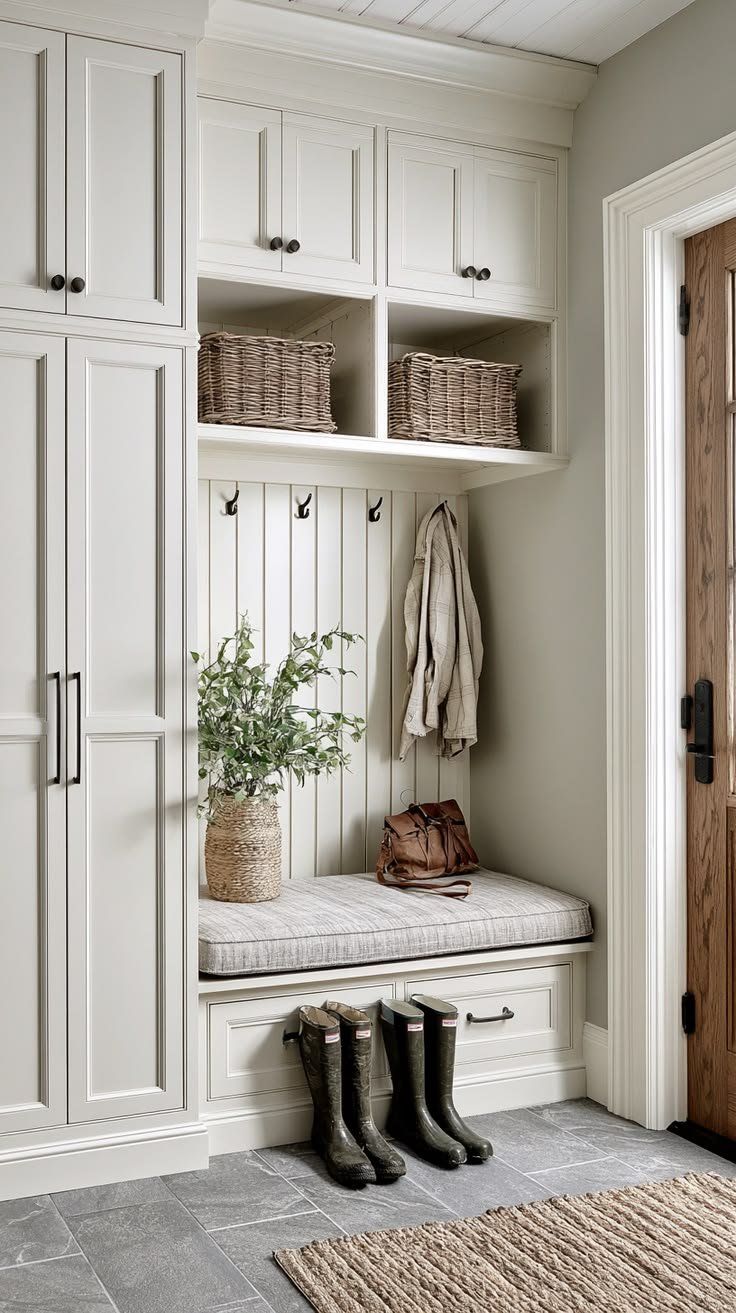
Tall cabinets flank this cream built-in, with upper cabinets and two baskets overhead, a cushioned bench with drawers below, and rubber boots on the gray tile.
Store off-season hats and gloves in the tall cabinets. Keep daily items at hand height.
30Match the Baskets and the Room Looks Calm
Mismatched baskets look like clutter. Matching ones look like a system.
Four baskets of the same weave line the top shelf here, over a sage beadboard back with a backpack, a tote and two coats, and a wood bench with shoe cubbies and drawers.
Buy all the baskets at once so the weave and color match.

Vintage Lockers and Barn Doors
31Numbered Lockers Settle Who Owns What
Give everyone a number and the arguments stop.
Brass numbers 1 to 4 mark these blue-gray metal lockers, one door open to show a coat, a hat and wire baskets, with a scarf and leather bag on the hooks beside them and umbrellas in a basket.
Vented doors let wet gear breathe. Never close damp wool inside a sealed box.

32Vented Doors Let Wet Gear Dry
Vents aren't just for the look.
These pale green lockers have louvered doors, with a straw hat on a hook beside them against white shiplap and rubber boots on the wood bench below.
Hang hats and gloves open inside a vented locker so they dry overnight.

33Seal the Concrete in a Garage Mudroom
A garage mudroom meets mud and salt before the house does.
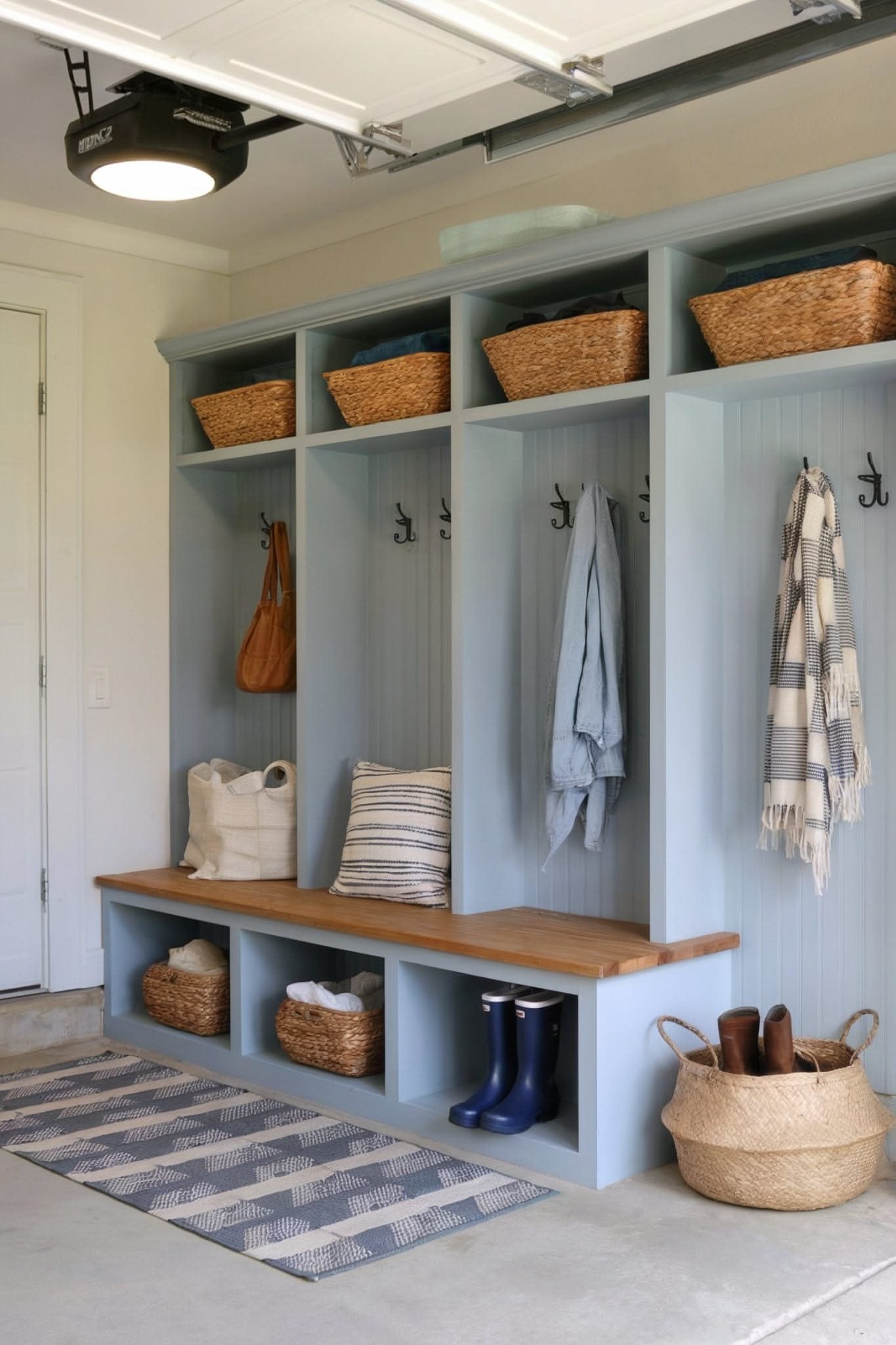
These blue-gray lockers sit just inside a garage, with baskets across the top, boots lined up by the bench, a striped scarf on a hook and a striped rug over the floor.
Seal the concrete with an epoxy or concrete sealer so winter salt doesn't stain it.
34Light Backing Makes Dark Lockers Read Clearly
Dark wood frames look best against something light.
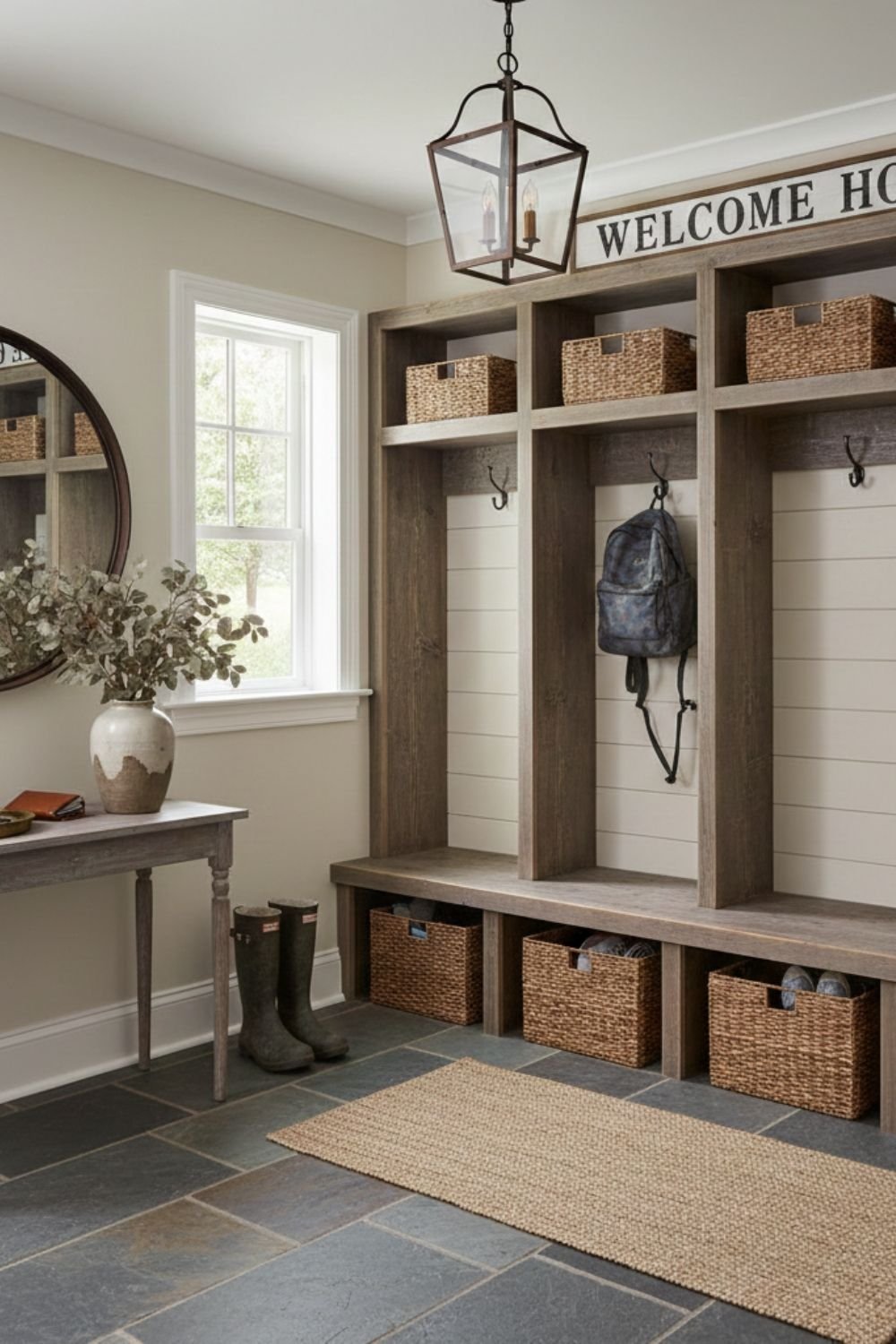
Rustic wood lockers here have pale shiplap backs, baskets across the top, a WELCOME HOME sign overhead, a lantern pendant, a round mirror and a console table with a vase, over slate flooring.
Slate hides mud well. Seal it once a year.
35Barn Doors Hide the Mess in Two Seconds
Slide the doors shut and the mess is gone.
These white barn doors with X braces roll open to reveal cubbies with bins, wire baskets under the bench, and a plaid runner in red and gray on the floor.
A barn door needs solid blocking behind the drywall to carry the track. Add a 2x6 behind the wall before you hang it.


36Brass Knobs Make Metal Lockers Feel Like Home
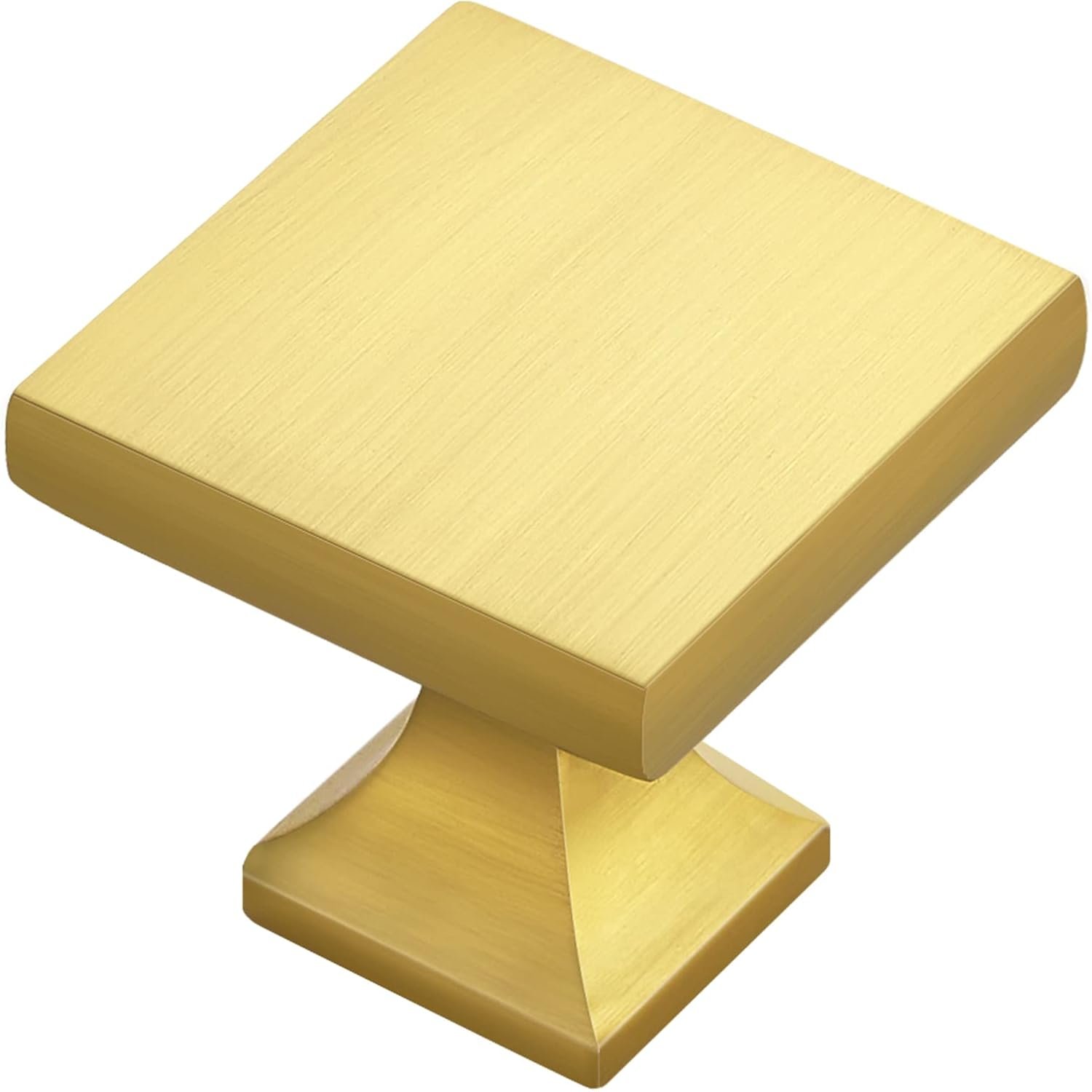
Metal lockers can feel like a school hallway. Warm hardware fixes that.
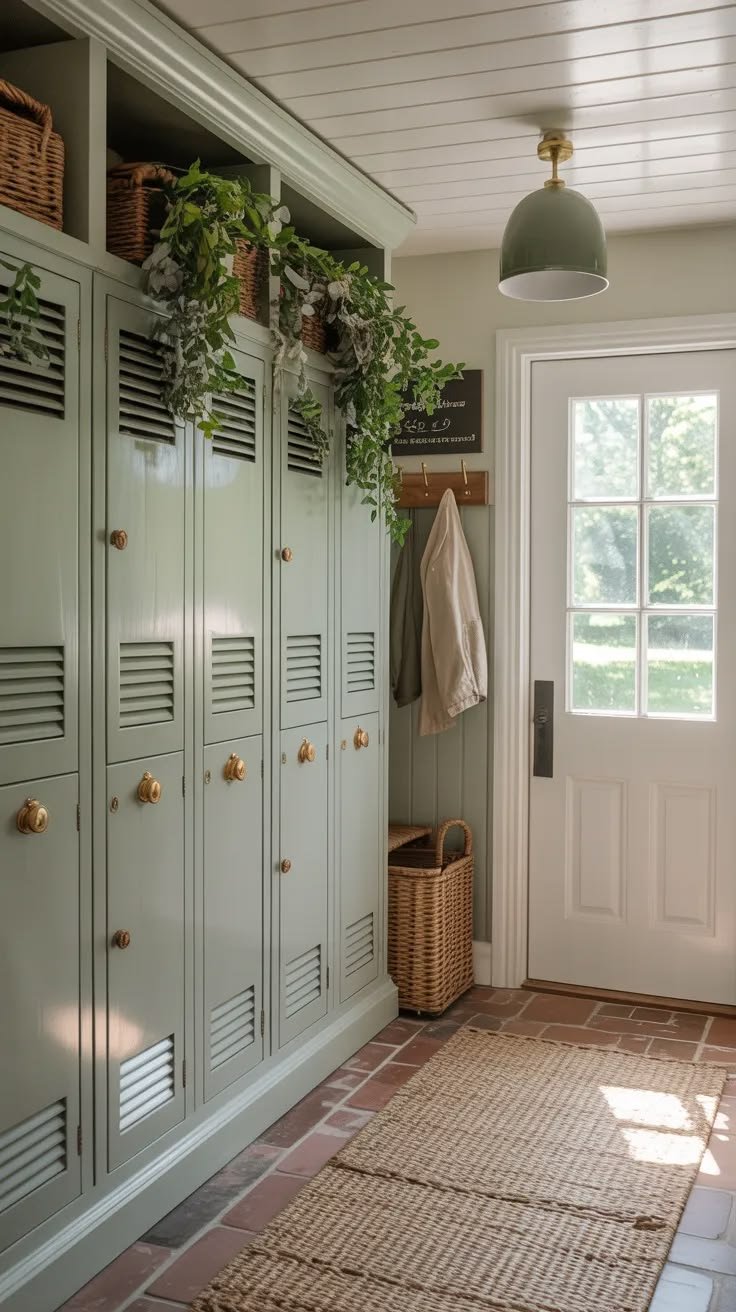
Brass knobs on these sage green louvered doors, trailing vines across the top, a brick floor and a pendant lamp give the whole wall a homey feel.
Pick faux vines in a damp room. Real ones may mold.
37Butcher Block Is Tough Enough for Boots
Butcher block takes a beating if you seal it right.
A thick butcher-block seat runs under white lockers here, with a net bag of oranges on a hook, flowers in a market basket, a wooden crate on the top shelf and a Welcome Home plaque over the brick floor.
Seal it with food-safe mineral oil or polyurethane, and reapply once a season.

38Label the Room, Not Just the Baskets
A sign on the wall is the cheapest organization tool you can buy.
A MUDROOM sign sits above the vintage green-gray lockers here, market totes hang from hooks, pillows are stacked on the bench and baskets fill the shelf below.
Hang the market bags by the door. They get grabbed on the way out.


Color, Paneling and Wall Treatments
39Butcher Block and Brackets Warm a White Wall
White walls look better when something chunky sits against them.
A thick butcher-block bench sits under a white wall of vertical boards here, with a bracket shelf of hats and plants above a row of hooks, a houndstooth jacket and a woven bag.
Use brackets rated for the shelf's load and screw them into studs.


40Paint the Ceiling Too
Don't stop at the walls.
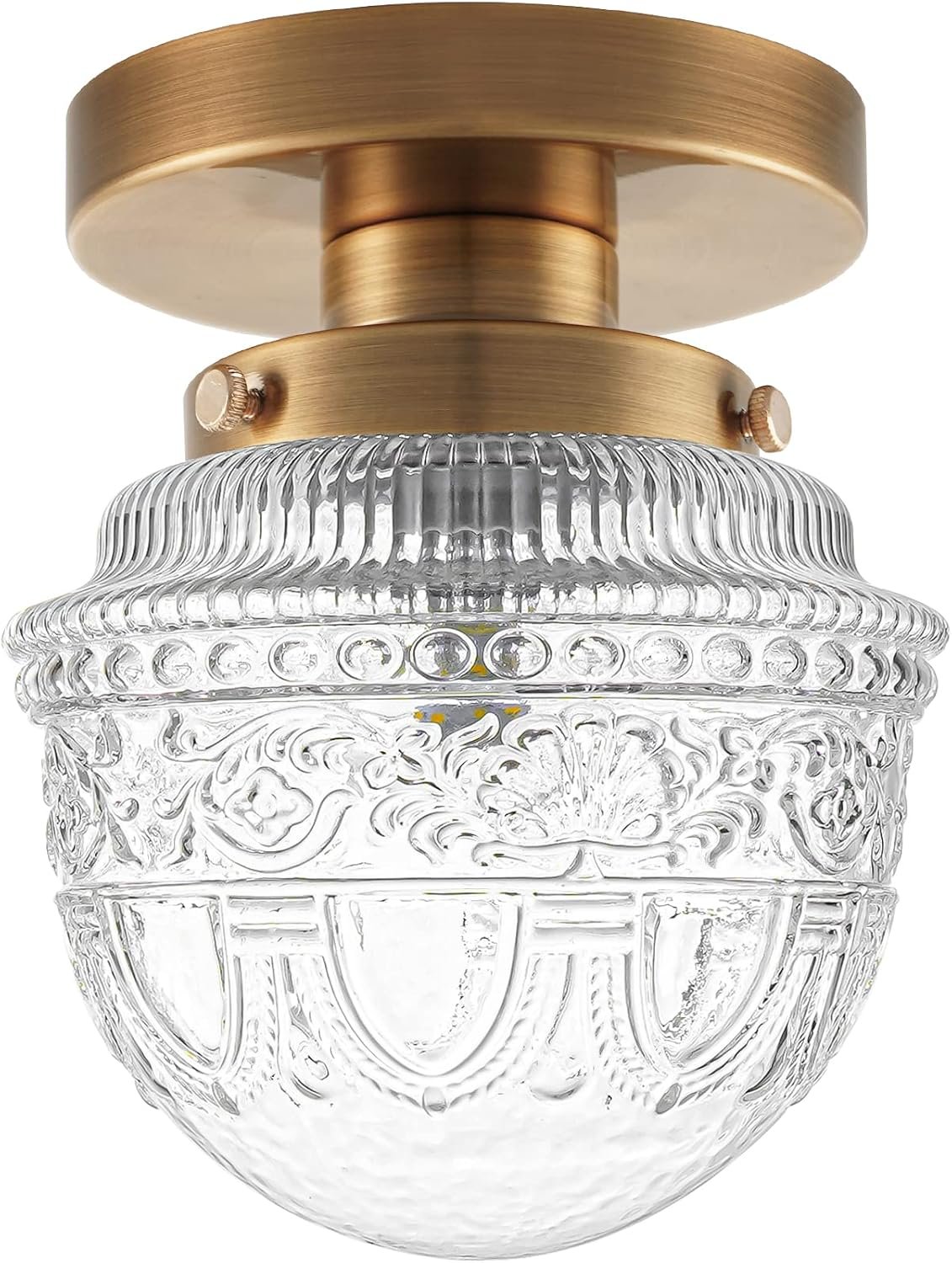
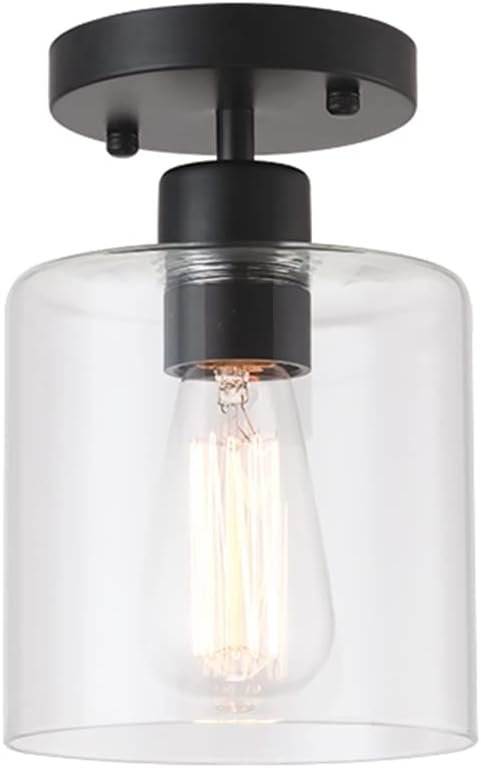
The blue beadboard here is topped with a whitewashed plank ceiling and a glass pendant, over three windows and a four-drawer bench with a hat, a leather bag and a jute rug.
Run the beadboard to window height and paint above it a lighter shade to keep the room airy.

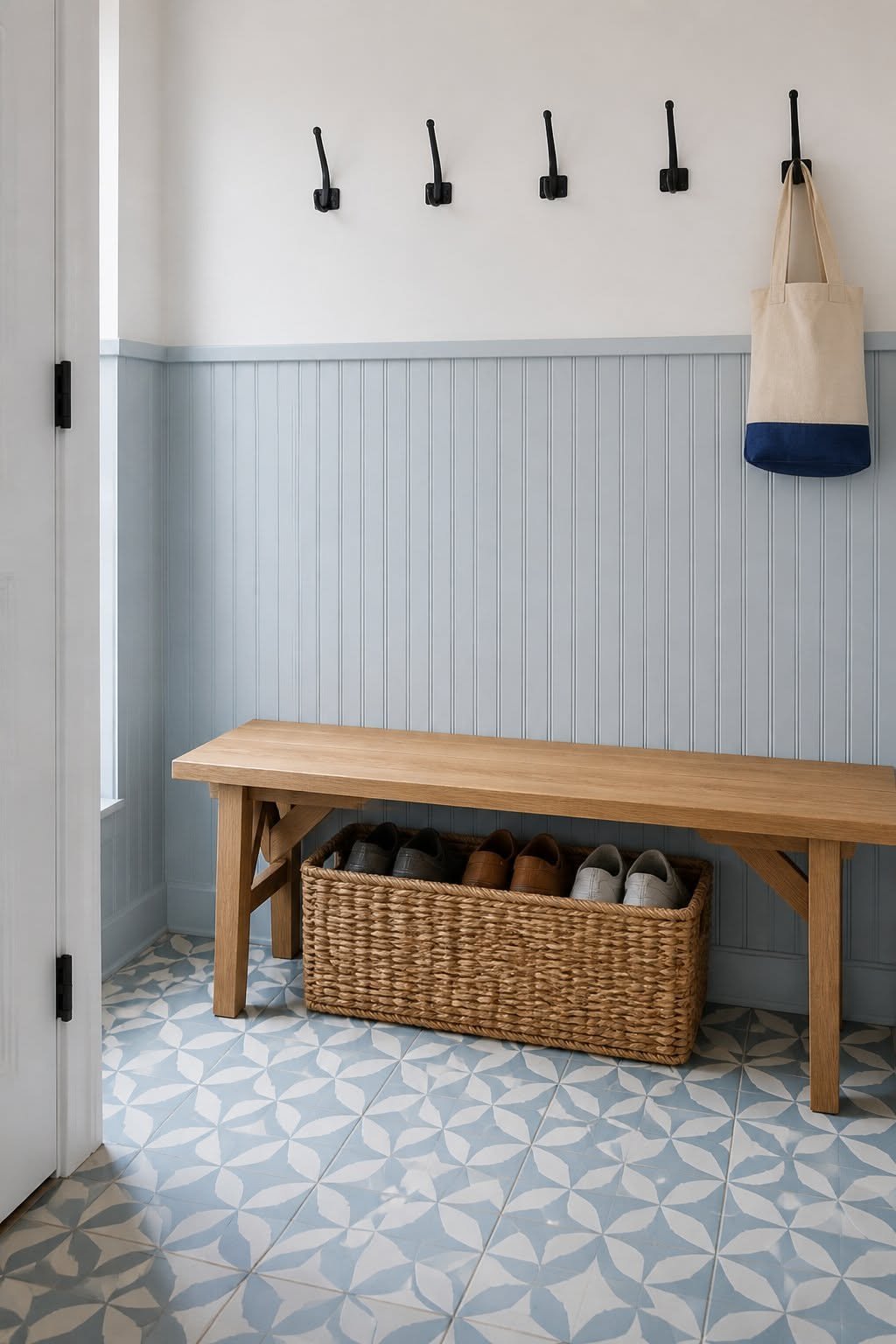
41Patterned Tile Makes a Small Entry Look Planned
A small entry can handle a bold floor.
Light blue wainscot, five black hooks, a canvas tote and a simple wood bench with a big basket of shoes sit on top of blue patterned tile.
Choose matte porcelain tile and seal the grout. Glossy tile is slippery when wet.
42Olive Green Hides Dirt Better Than White
Mid-tone greens show less dirt than white.
Olive beadboard runs behind two jackets and a woven tote here, over a walnut bench with open ends and upper cabinets with brass knobs.
Use satin paint on the beadboard so you can wipe off fingerprints.

43A Closet Can Become a Mudroom
Got a shallow closet by the door? Take the door off.
This navy niche holds two wood shelves with baskets and a small lamp, brass hooks with a tote, a green jacket and a scarf, a wood bench and shoes on the floor, over a jute rug.
Add a lamp or sconce. A windowless nook needs its own light.

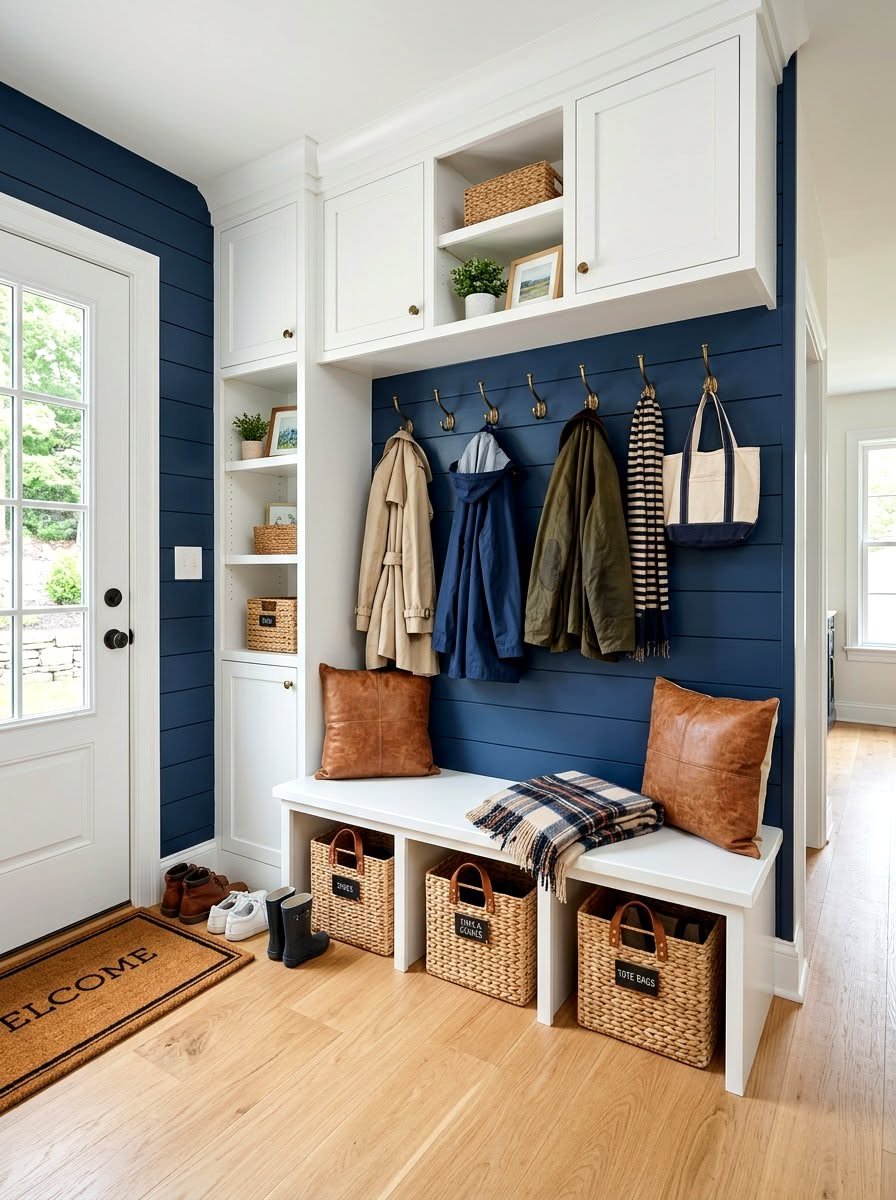
44Navy Shiplap Makes White Cabinets Pop
Dark walls make white cabinets look crisp.
Navy shiplap sits behind brass hooks here, carrying a trench coat, a striped scarf and a canvas tote, with leather pillows and labeled baskets, like Tote Bags, under the white bench.
Label baskets with the thing they hold, in plain words.
45Herringbone Wood Adds Warmth Without Paint
Not every wall needs paint.
Wood laid in a herringbone pattern covers the back of this niche, with white upper cabinets, a leopard-print scarf and a straw hat on hooks, gray pillows on the bench and four baskets over hex tile.
Seal the wood with a satin polyurethane so it wipes clean.

46Taupe Walls Hide Everyday Marks
Taupe is forgiving. Fingerprints and scuffs blend in.
A taupe built-in here has a shelf of books, plants and a framed print over hooks, a cushioned bench with four baskets, tall cabinets on the side and a lantern pendant over slate floor.
Keep the shelf for display and the hooks for gear. Don't mix the two.

Mudrooms for Kids, Pets and Busy Families
47Frame the Kids' Art Above the Hooks
Kids' art deserves a frame. The mudroom is where everyone passes it.
A row of hooks runs under framed drawings here, with a tan coat, a pink jacket and a teal coat, a cushioned bench with boots in the cubbies below and a bright rug on the floor.
Use acrylic instead of glass in frames at kid height.

48Give the Dog a Spot, Too
A mudroom is also the dog's front door.
A dog stretches out on the bench in this white board-and-batten nook, with pillows, a hat and a green sweater above, baskets under the seat, lavender rain boots and flowers in a basket on the slate floor.
Use washable cushion covers. Pets and dirt will get to them.

49A Freestanding Unit Is DIY-Friendly
A freestanding unit skips the wall demo.
This white locker with a walnut top and bench has two drawers below, hooks carrying a leather bag and coats, and sits in a garage near a brick step with plants beside it.
Build it from plywood and screw it into studs. A freestanding unit still needs an anchor.

50Kid-Height Hooks Cure the Backpack Pile
If kids can't reach the hook, the backpack goes on the floor.
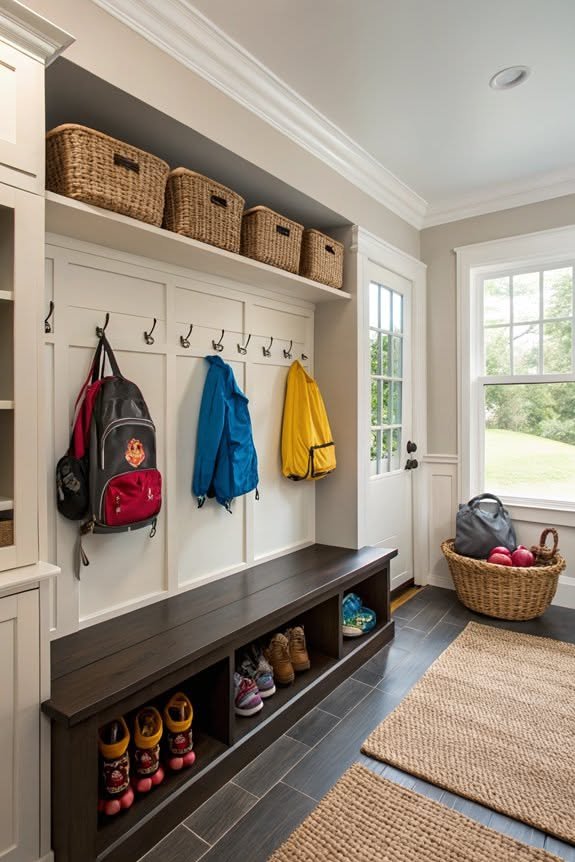
This white board-and-batten wall has hooks low enough for a red backpack and blue and yellow jackets, over a dark bench with boots and sneakers underneath and a basket of apples nearby.
Mount kid hooks around 40 to 48 inches high.
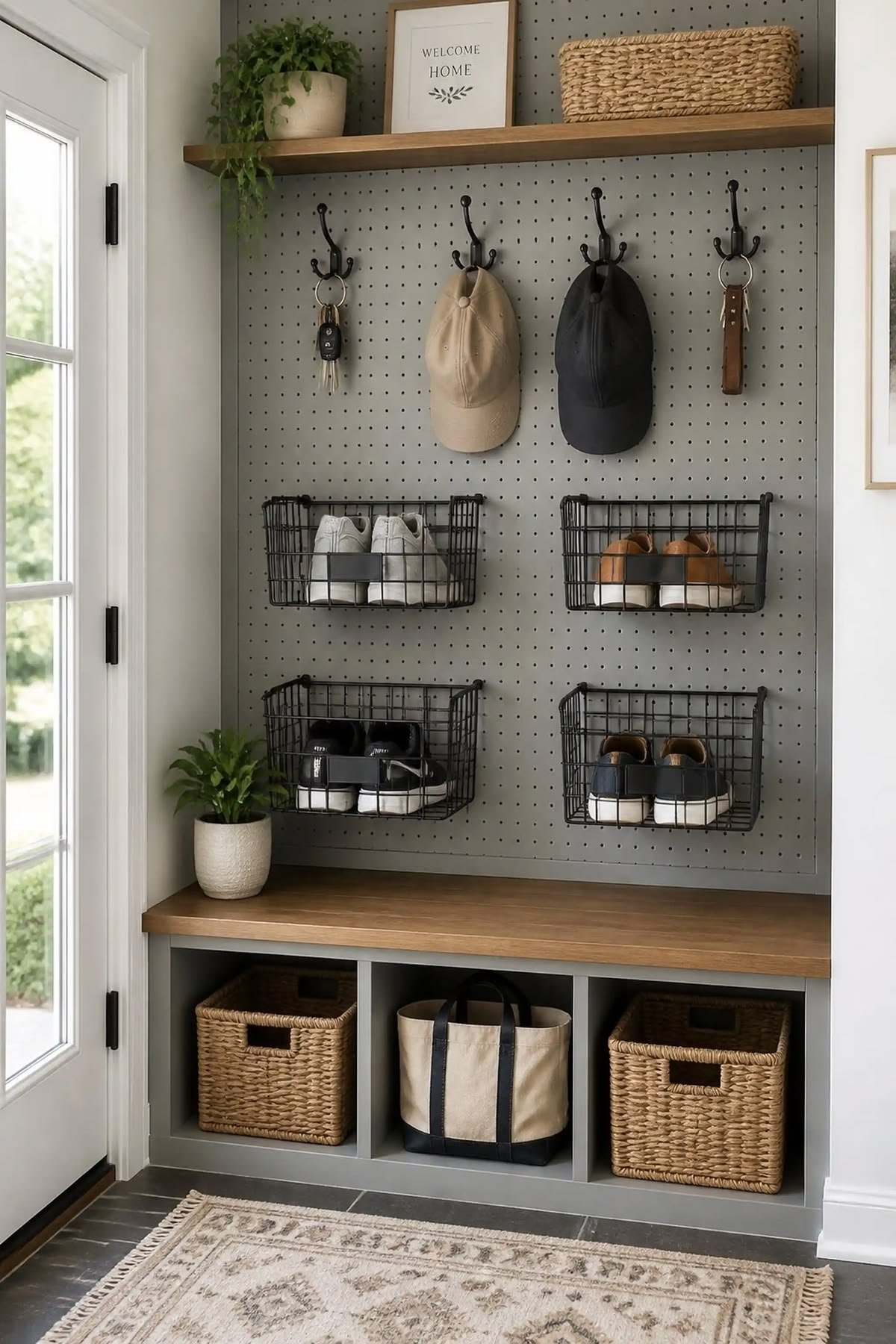
51Pegboard Is the Cheap Way to Customize
Pegboard rearranges as fast as your life does.
Four black wire baskets here hold pairs of shoes on a gray pegboard, with hooks for caps and keys above, a shelf with a Welcome Home sign and a plant over a three-basket bench.
Use locking pegboard hooks so they don't pull out when you grab a bag.


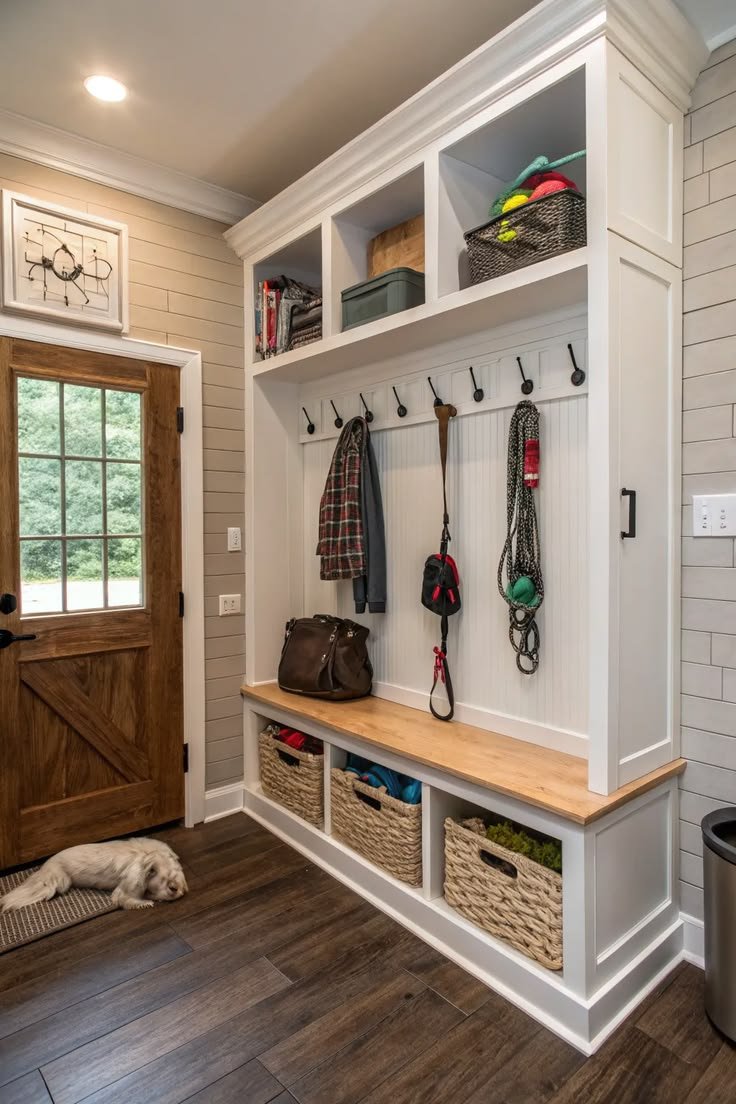
52Hang the Leash Where You'll Trip Over It
Put the leash where you'll see it. Otherwise you'll skip the walk.
A white built-in here holds toys and books in upper cubbies, a leash and a plaid jacket on hooks, a leather bag on the bench, baskets underneath and a dog napping by the door.
Keep the treats up high and the toys low.

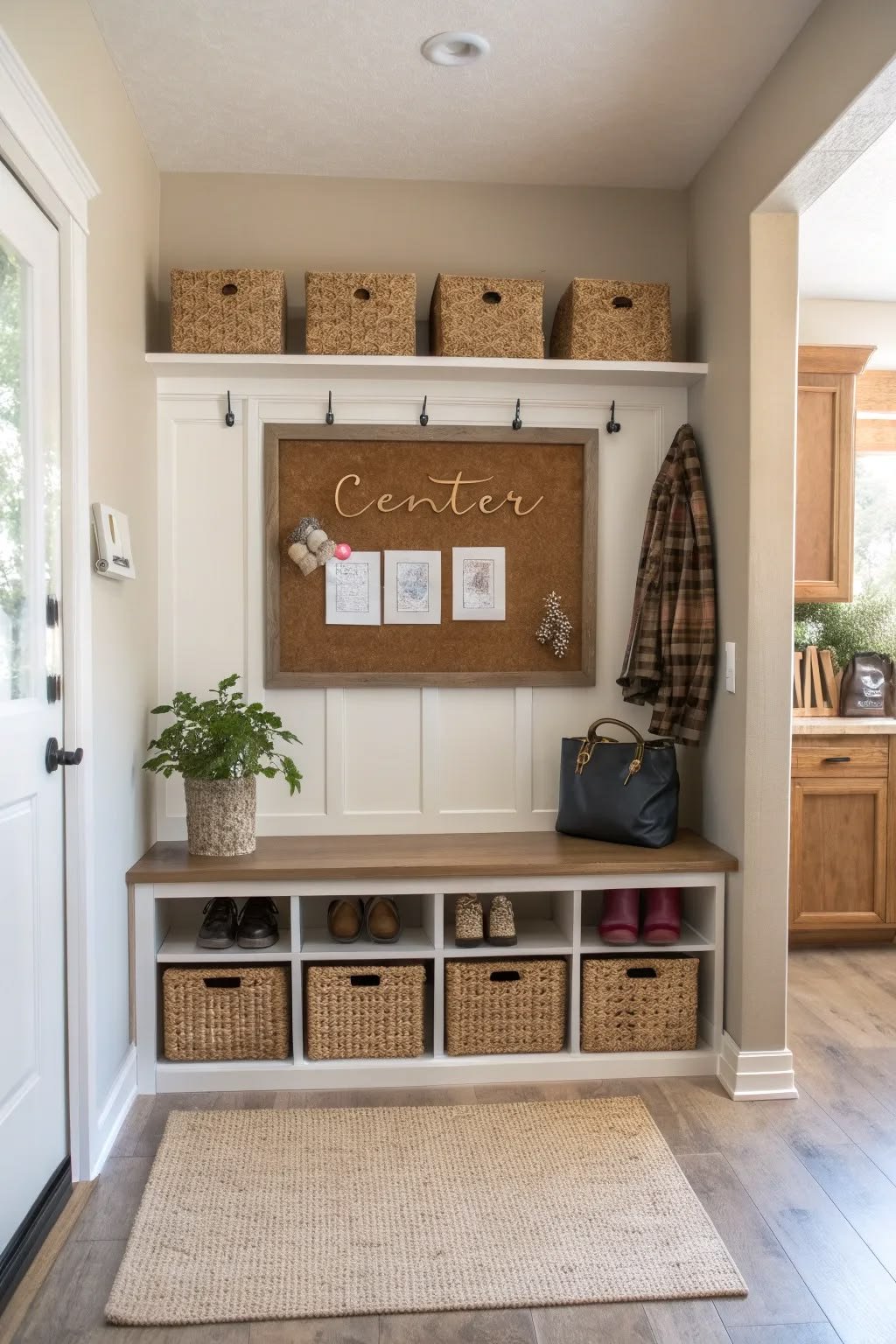
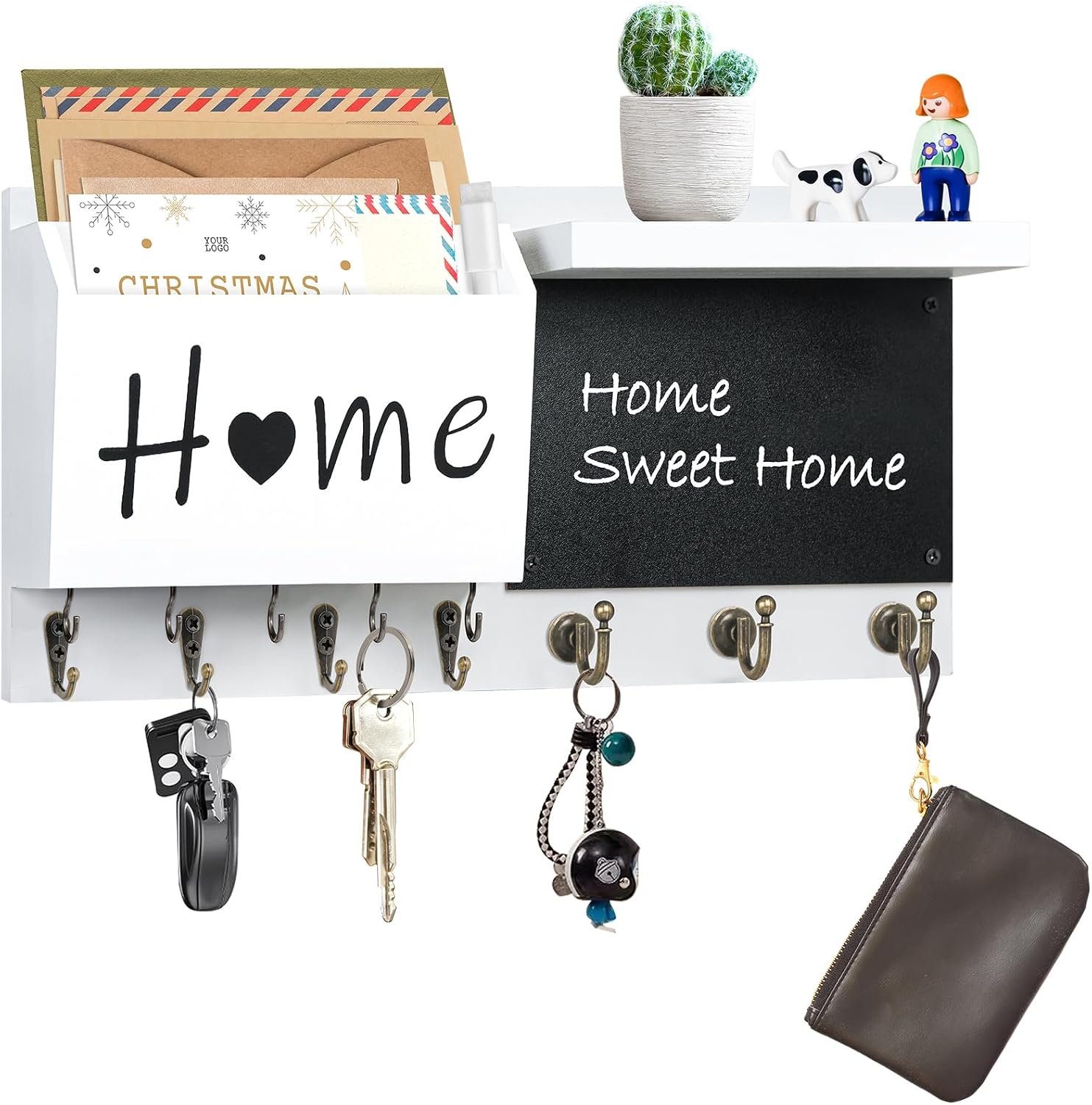
53A Cork Board Turns Hooks Into a Command Center
A cork board over the hooks catches the papers that usually land on the counter.
A cork board labeled Center in cursive script holds small cards over a plaid shirt on a hook, with four baskets on the top shelf and a bench with shoes and baskets below.
Pin one clip per person so each one's notes stay separate.
Tight Spaces and Smart Conversions
54Go Vertical When the Floor Is Small
When floor space runs out, build up.
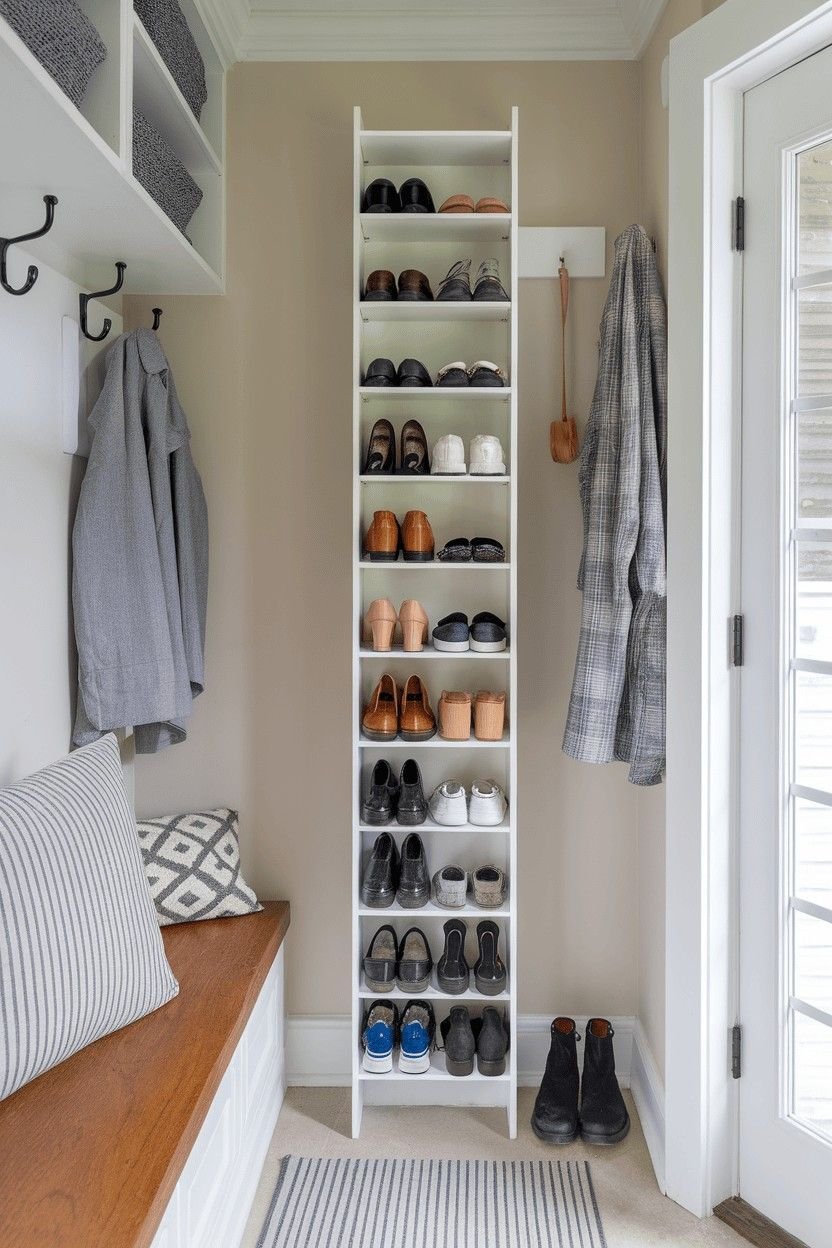
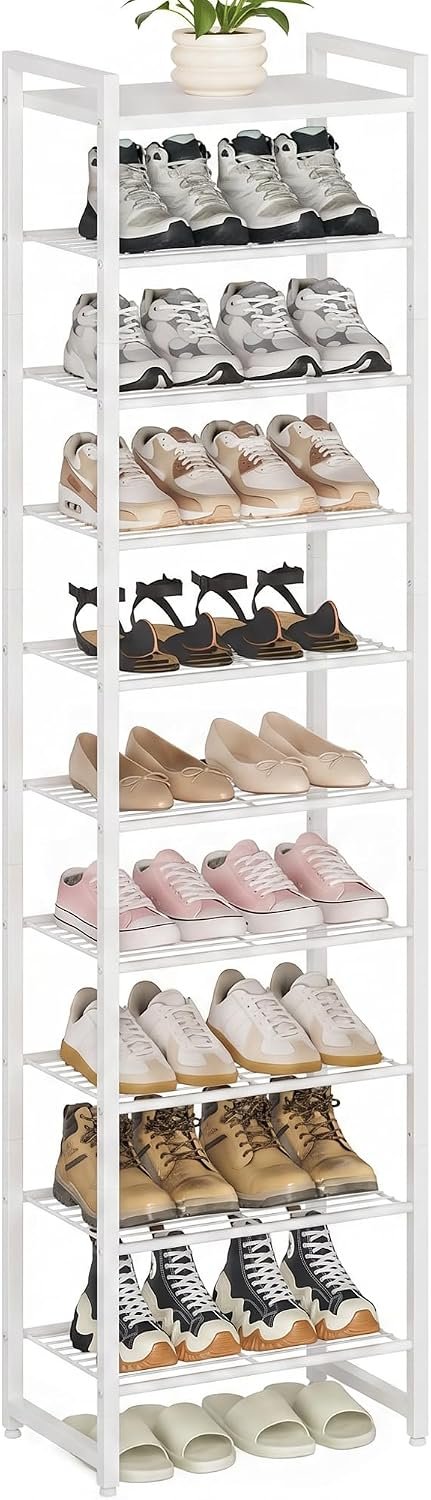
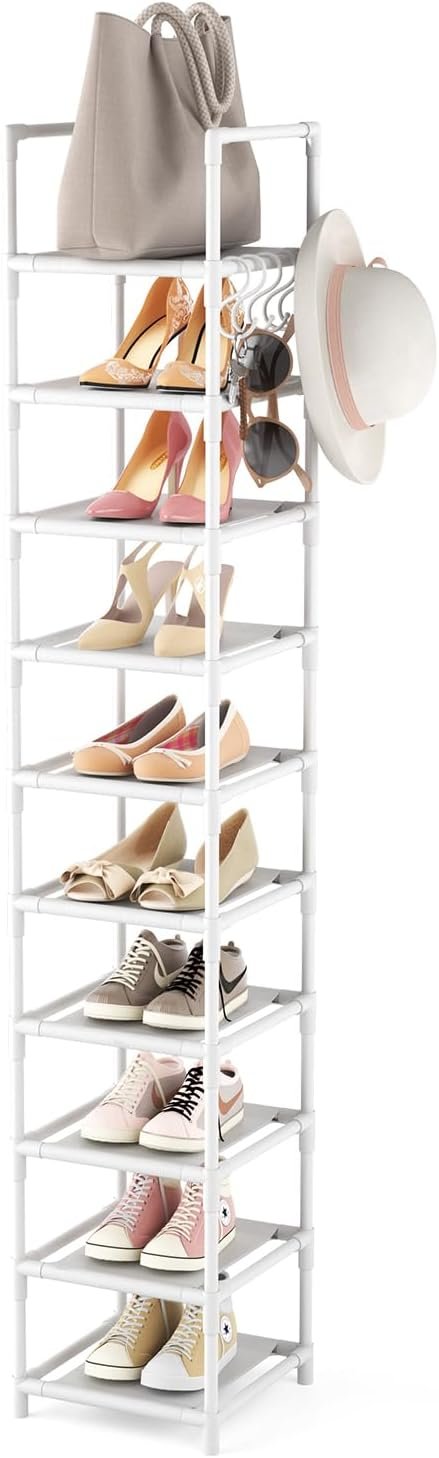
A tall white shoe rack, about ten shelves high, fits in the gap between a bench and the door here, with a gray jacket on hooks and a plaid coat on the wall.
Anchor a rack this tall to the wall, and leave one shelf open for boots.
55Shoe Cubbies Along the Bench Beat a Rack
A rack sits in the way. Cubbies in the bench don't.
This wood-paneled built-in has open shelving with baskets overhead, a plaid shirt and a leather bag on hooks, a bench with shoe cubbies below and a striped pillow on the seat, with a snake plant beside it.
Make one cubby taller than the rest for boots.

56Slide a Metal Rack Into the Bench
Metal shoe racks are the lazy upgrade.
Black metal racks sit under this white bench, three bays of shoes, with navy and striped pillows on top, a gray sweater and a leather bag on hooks and a shelf with a plant over a vertical-board wall.
Measure the cubby width first. Racks come in standard sizes.

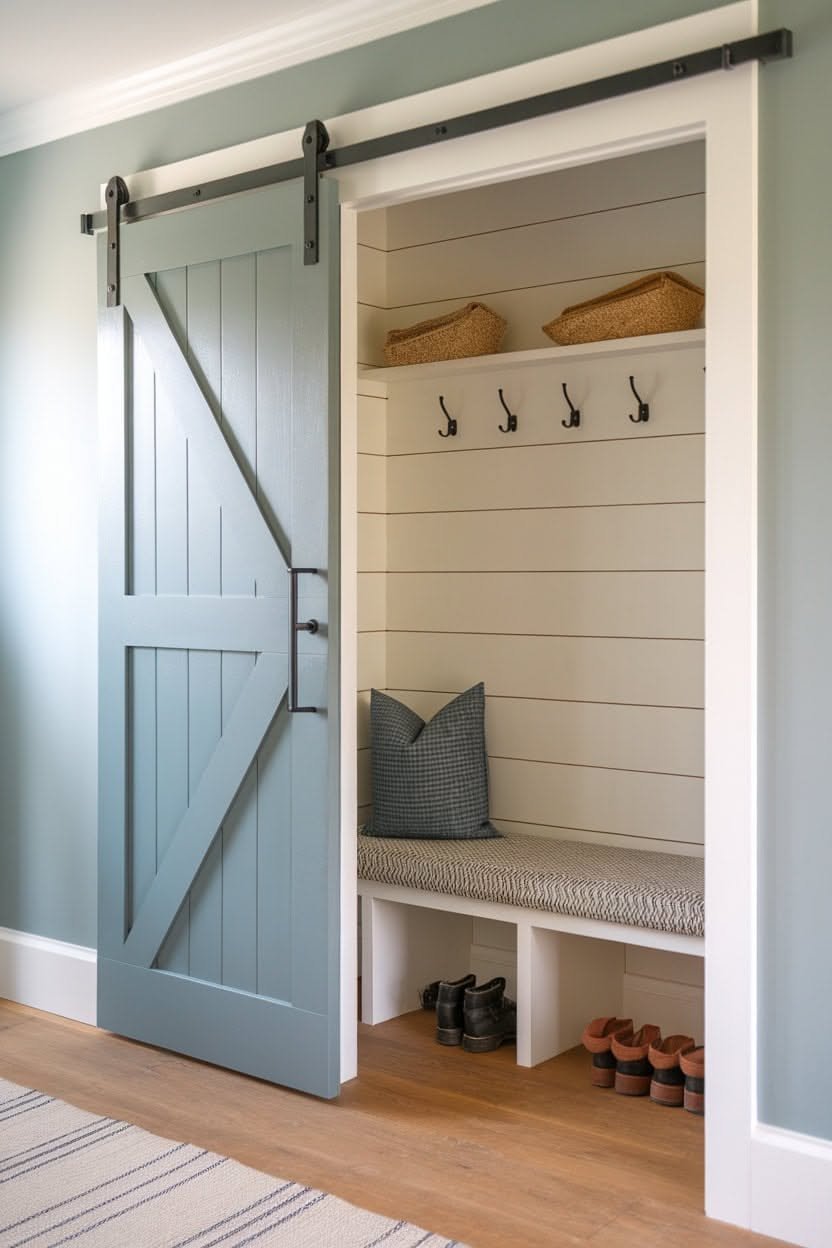
57Turn a Closet Into a Mudroom With a Door
A sliding door turns a closet into a nook you can hide.
A blue barn door opens here onto a shiplap closet with a hook rail, a shelf with two baskets, a cushioned bench and boots beneath it.
Caulk the shiplap seams. Dust and moisture settle in them.

58End the Room With a Window
Light at the end of the room makes it feel longer.
This sage green built-in has upper cabinets and hooks holding a tote with greenery and a coat, a wood bench with baskets, and a glass-paneled wood door at the end over herringbone tile.
Choose matte tile for the floor. Glossy tile is slippery when it gets wet.


Common Mistakes (and Fixes)
- Mistake: Using adhesive hooks for heavy winter coats. Fix: Screw a rail into studs for coats and save adhesive hooks for light jackets or rentals.
- Mistake: Building a bench too deep or too high. Fix: Aim for a seat around 17 to 19 inches high and 15 to 18 inches deep so people can actually sit and pull boots on.
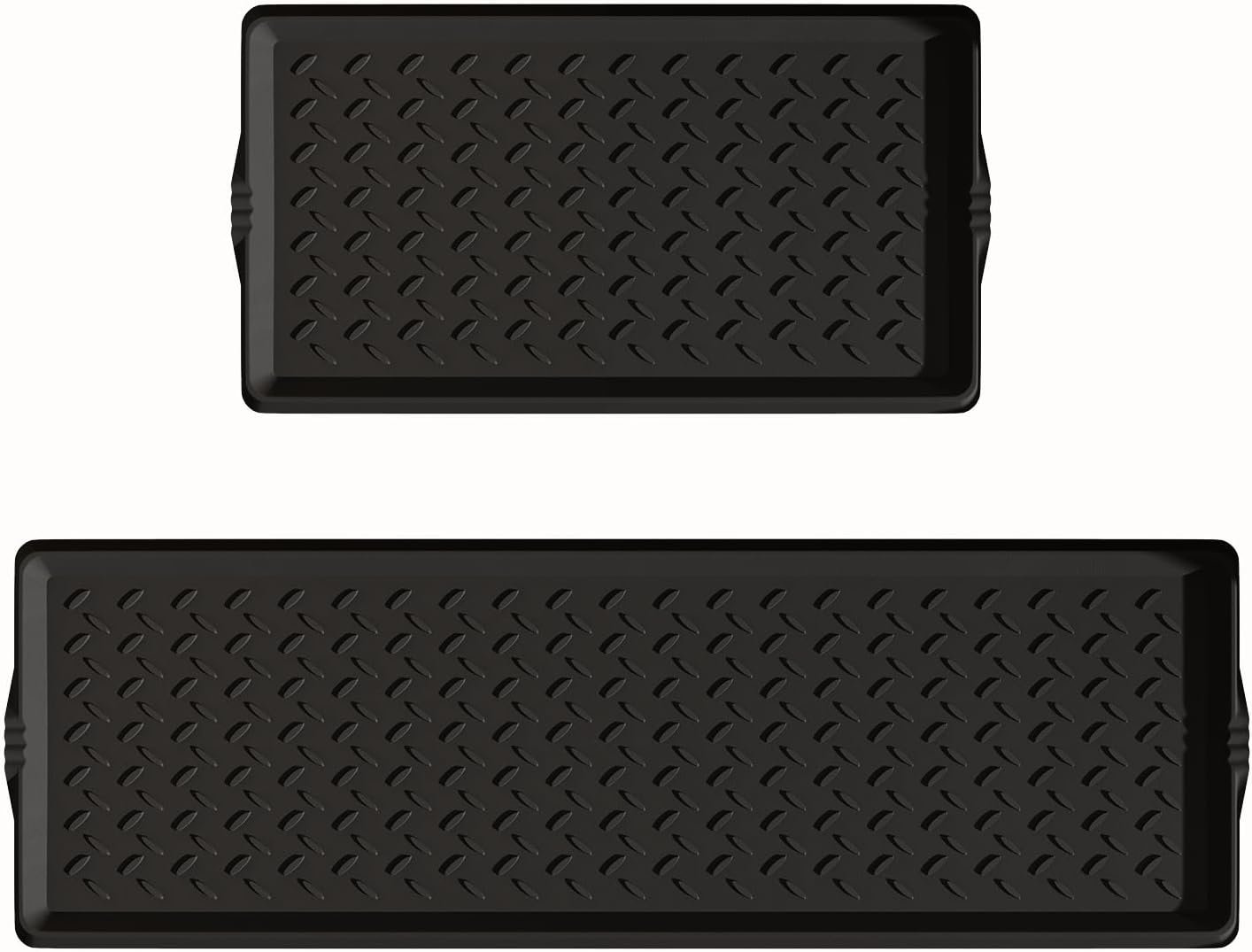
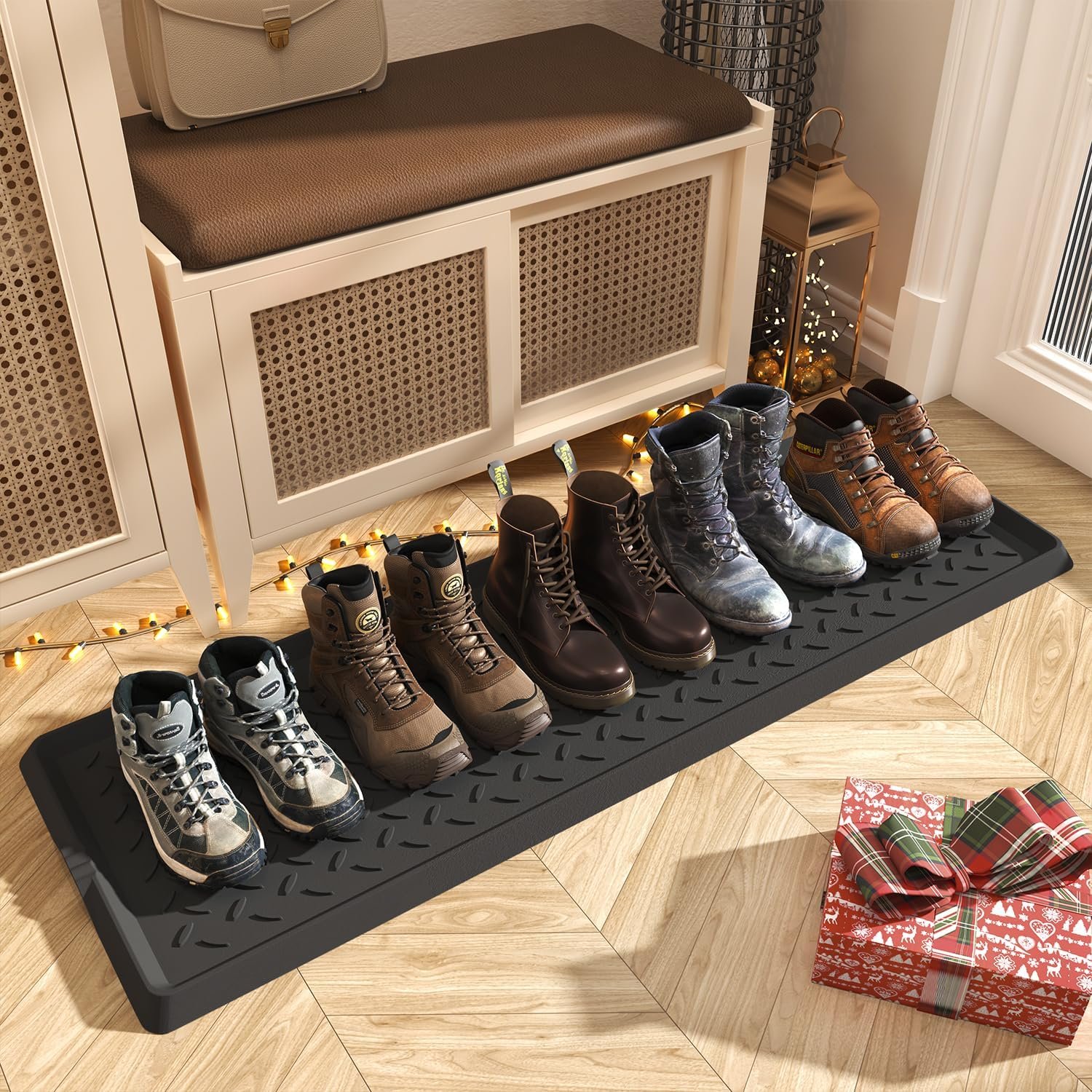
- Mistake: Leaving a rug on the floor that never dries. Fix: Choose a washable flatweave, and put a rubber boot tray where the wet shoes land.
- Mistake: Skipping anchors on tall cabinets and shoe racks. Fix: Strap anything tall to a wall stud, especially if kids climb.
- Mistake: Closing damp gear inside sealed bins. Fix: Use open baskets or vented lockers so gloves and hats dry instead of growing a smell.
Last Thoughts on Building a Mudroom That Works
Fifty-eight ideas is a lot, and you won't use most of them. Pick one wall treatment, one seating solution, and one rule for where wet things go, and the rest is decoration.
If you're doing this yourself, build the hook rail first. It's the cheapest part, it solves the pile on day one, and everything else can be added around it over a few weekends.
Filed under